schedule online

Categories

Recent Posts

Top 7 Best Dryer Vent Cleaning Solutions for 2026

Did you know that lint buildup is responsible for an estimated 2,900 dryer fires in the US each year, according to the US Fire Administration? This growing risk makes dryer vent maintenance more crucial than ever for homeowners who want to protect their families and properties.

Regular cleaning not only helps prevent fires but also improves dryer efficiency and can save energy costs. To help you find the best dryer vent cleaning approach, this article compiles expert reviews, user feedback, and the latest advancements in cleaning technology.

Here, you will discover the top 7 best dryer vent cleaning solutions for 2026. We’ll explore innovative cleaning kits, trusted professional services, and the key criteria you should consider when selecting the right solution.

Read on to make your home safer, your appliances more efficient, and to choose the best dryer vent cleaning method for your needs.

Why Dryer Vent Cleaning Matters in 2026

Proper dryer vent maintenance has never been more crucial. Each year, thousands of homes face preventable fires due to lint accumulation in dryer vents. The best dryer vent cleaning practices are essential for protecting your household, improving energy efficiency, and ensuring your appliances run smoothly.

The Growing Threat of Lint Buildup

Lint buildup remains a leading cause of dryer-related fires. According to the U.S. Fire Administration: Clothes Dryer Fires, there are approximately 2,900 dryer fires annually in the United States. Most of these incidents are linked to neglected vent maintenance, making regular cleaning critical.

When lint accumulates, airflow is restricted, forcing dryers to work harder. This increases drying times, energy consumption, and the risk of overheating. In gas dryers, blocked vents can also lead to dangerous carbon monoxide accumulation. A recent 2023 fire in Hernando County highlighted how quickly lint can ignite and cause property loss, underscoring the need for the best dryer vent cleaning routines.

Health, Safety, and Efficiency Benefits

Maintaining a clean dryer vent does more than prevent fires. It improves indoor air quality by reducing dust and allergens released into your home. The best dryer vent cleaning also extends the life of your dryer, minimizing breakdowns and reducing repair costs.

Efficient airflow ensures clothes dry faster, saving on energy bills. Many insurance and home warranty providers now require documented vent maintenance to validate claims. Regular cleaning is a proactive step for homeowners who want peace of mind, a healthier environment, and reliable appliance performance.

Trends in Dryer Vent Cleaning Solutions

The field of dryer vent cleaning is evolving rapidly. Technological advancements have led to innovative cleaning kits and professional-grade equipment that make the process more effective. Hybrid solutions, which combine DIY convenience with professional expertise, are gaining popularity.

There is also a growing demand for certified and insured cleaning services, as consumers seek trustworthy providers for the best dryer vent cleaning results. As awareness increases, more homeowners are prioritizing detailed service checklists and transparent customer reviews when choosing solutions. These trends indicate a future where safety, efficiency, and convenience go hand in hand.

How to Choose the Right Dryer Vent Cleaning Solution

Selecting the best dryer vent cleaning approach is essential for both safety and efficiency. The right solution depends on your home's unique layout, your budget, and your comfort level with DIY tasks. To help you navigate these choices, this section breaks down key criteria and value considerations, ensuring your dryer remains safe and energy efficient. For a deeper dive into the topic, consult this dryer vent cleaning guide for expert insights.

Key Selection Criteria

The first step in finding the best dryer vent cleaning solution is to assess the specifics of your vent system. Consider the following:

  • Vent Length and Complexity: Longer vents or those with multiple bends may require specialized tools or professional help.
  • Accessibility: Hard-to-reach vents, such as those running through walls or ceilings, can be challenging for DIY kits.
  • DIY Kits vs. Professional Services: DIY kits are budget-friendly and convenient for straightforward setups. Professional services offer expertise for complex or inaccessible vents.
  • Tool Compatibility: Ensure cleaning tools are compatible with your setup, such as drill-powered kits for stubborn lint or vacuum attachments for quick maintenance.
  • Credentials and Reviews: When hiring a service, check for certifications, insurance, and positive customer reviews.
  • Frequency of Use: High-laundry households may benefit from more robust solutions or frequent professional maintenance.
  • Service Checklist: Experts recommend a detailed checklist covering vent, duct, and vent hood cleaning for complete safety.

By considering these factors, you can confidently choose the best dryer vent cleaning method tailored to your needs.

Cost Considerations and Value

Understanding the cost and value of your options is crucial. Here is a quick comparison to guide your decision:

Solution TypePrice RangeWhat’s Included
DIY Cleaning Kits$10 – $30Brushes, rods, attachments, basic instructions
Professional Services$75 – $330+Full vent/duct cleaning, inspection, warranty

When evaluating the best dryer vent cleaning services or products, look at what is included beyond the initial price. Professional providers often offer price matching, labor warranties, and thorough inspection reports. DIY kits may be ideal for regular upkeep, while professional cleanings deliver peace of mind for more challenging setups.

Always ask for a detailed breakdown of services and compare customer feedback. This approach ensures you maximize value while prioritizing safety and efficiency.

Top 7 Best Dryer Vent Cleaning Solutions for 2026

Choosing the best dryer vent cleaning solution is critical for home safety and efficiency in 2026. With lint buildup continuing to be a leading cause of household fires, investing in the right cleaning kit or service can make a significant difference. According to the US Fire Administration, thousands of dryer fires occur annually, making regular maintenance non-negotiable. If you are unsure about the process, consult expert guidance from trusted resources like Consumer Reports: How to Clean Your Dryer Vent.

Below, we review the top 7 best dryer vent cleaning products and kits for 2026. Each solution is evaluated for features, value, and suitability, ensuring you find the best dryer vent cleaning approach for your needs.

1. Gardus LintEater Rotary Dryer Vent Cleaning System

The Gardus LintEater Rotary Dryer Vent Cleaning System stands out as one of the best dryer vent cleaning kits for homeowners who want a thorough, professional-level clean. Priced between $35 and $45, it includes a 12-foot set of flexible rods, multiple adapters, a sturdy auger brush, and drill compatibility.

Top 7 Best Dryer Vent Cleaning Solutions for 2026 - Gardus LintEater Rotary Dryer Vent Cleaning System

This system is designed to tackle most residential vent types and can handle tight 90-degree bends with ease. The durable construction ensures longevity, while the included attachments make it a comprehensive kit for those serious about the best dryer vent cleaning.

Ideal for: Homeowners with both short and long vents who want a deep, effective clean.

Pros:

  • Highly effective at removing lint and debris
  • Easy to use, even for first-timers
  • Includes all necessary attachments for various vent configurations

Cons:

  • Rod connections may loosen if not secured properly
  • Instructions could be more detailed for beginners

Example: The Gardus LintEater is rated "Best Overall" by Bob Vila for its versatility and ability to deliver a deep clean in almost any vent setup.

2. Holikme 30-Foot 11-Piece Dryer Vent Cleaner Kit

For those with longer or more complex vent runs, the Holikme 30-Foot 11-Piece Dryer Vent Cleaner Kit is a top choice for the best dryer vent cleaning. This kit, priced around $30 to $40, features an impressive 30-foot reach with 11 flexible rods and a drill-powered brush.

Top 7 Best Dryer Vent Cleaning Solutions for 2026 - Holikme 30-Foot 11-Piece Dryer Vent Cleaner Kit

It is perfect for multi-story homes or properties with hard-to-reach dryer vents. The flexible rods can navigate bends, and the durable brush is engineered to remove even stubborn lint buildup.

Ideal for: Homes with long or hard-to-access dryer vents.

Pros:

  • Exceptional reach for deep cleaning
  • Durable, flexible rods adapt to various duct layouts
  • Effective at removing deep-seated lint and debris

Cons:

  • Maneuvering in tight bends can be challenging
  • Rods require careful assembly to avoid disconnecting

Example: Frequently chosen as the "Longest Reach" solution in competitor reviews, this kit is a favorite for larger households and challenging vent systems.

3. Sealegend Vacuum Hose Dryer Vent Cleaner Kit

If you prefer a vacuum-based approach, the Sealegend Vacuum Hose Dryer Vent Cleaner Kit offers a simple yet effective way to achieve the best dryer vent cleaning results. Priced between $15 and $25, this kit comes with a flexible vacuum hose attachment that fits most household vacuums.

Top 7 Best Dryer Vent Cleaning Solutions for 2026 - Sealegend Vacuum Hose Dryer Vent Cleaner Kit

The design allows you to reach deep into vents without the need for a power drill. It is ideal for renters, apartment dwellers, or anyone needing a lightweight and portable solution.

Ideal for: Renters, apartment residents, or those preferring vacuum-based cleaning.

Pros:

  • Affordable and easy to set up
  • Universal fit for most vacuums
  • Quickly removes surface lint and dust

Cons:

  • May not be as effective on severe blockages
  • Cleaning power depends on your vacuum's suction

Example: Recognized as the "Best Vacuum Adapter" in leading product roundups, this kit is a must-have for lightweight maintenance.

4. Holikme 2-Pack Flexible Lint Brush Dryer Vent Cleaner

The Holikme 2-Pack Flexible Lint Brush Dryer Vent Cleaner is a budget-friendly option for routine maintenance and quick cleaning. With a price tag between $10 and $15, it includes two flexible lint brushes with ergonomic handles, making it a practical addition to your best dryer vent cleaning toolkit.

Top 7 Best Dryer Vent Cleaning Solutions for 2026 - Holikme 2-Pack Flexible Lint Brush Dryer Vent Cleaner

These brushes are ideal for removing lint from both the vent and the lint trap, especially in households with frequent laundry loads or pet hair concerns.

Ideal for: Families with frequent laundry or pet hair issues who want to maintain vent cleanliness between deep cleans.

Pros:

  • Inexpensive and easy to store
  • Suitable for both vents and lint traps
  • Great for quick touch-ups

Cons:

  • Limited reach for long or complex vents
  • May struggle with compacted lint

Example: Often listed as "Best Bang for the Buck" in competitor lists, these brushes are a cost-effective solution for regular upkeep.

5. Vanitek Dryer Vent Cleaner Lint Brush

The Vanitek Dryer Vent Cleaner Lint Brush is a versatile tool that brings flexibility and multi-purpose functionality to your best dryer vent cleaning routine. Priced between $8 and $12, this extra-long flexible brush is constructed with durable steel wire, allowing it to maneuver into tight spaces.

Top 7 Best Dryer Vent Cleaning Solutions for 2026 - Vanitek Dryer Vent Cleaner Lint Brush

It can also double as a refrigerator coil cleaner, making it a valuable addition to any home maintenance kit.

Ideal for: Small apartments, condos, or as a secondary tool for routine lint removal.

Pros:

  • Multi-purpose for different appliances
  • Lightweight and easy to handle
  • Excellent flexibility for tight spaces

Cons:

  • Not suitable for very long vents
  • Manual effort required for deep cleaning

Example: Frequently chosen as the "Best Flexibility" pick in expert reviews, this brush stands out for its adaptability.

6. Smart House Inc Dryer Vent Cleaner Kit

For users who own a power drill and want a fast, efficient cleaning experience, the Smart House Inc Dryer Vent Cleaner Kit is a top contender for the best dryer vent cleaning. With a price range of $20 to $30, this kit features multiple rods and a high-durability brush head designed for use with a drill.

Top 7 Best Dryer Vent Cleaning Solutions for 2026 - Smart House Inc Dryer Vent Cleaner Kit

This solution is perfect for tackling stubborn lint and long vents, making it ideal for active households.

Ideal for: Homeowners with a power drill who want a faster, more thorough cleaning process.

Pros:

  • Powerful performance with drill compatibility
  • Covers long vent lengths efficiently
  • Easy to assemble and use

Cons:

  • Requires access to a power drill
  • May be excessive for short or straight vents

Example: Named "Best for Power Tools" in authoritative product guides, this kit is a great investment for regular deep cleaning.

7. Vacext Dryer Vent Cleaner Kit & Condenser Coil Brush

The Vacext Dryer Vent Cleaner Kit & Condenser Coil Brush is designed for homeowners who value comprehensive appliance maintenance. Priced between $15 and $20, this dual-purpose kit includes flexible brushes for both dryer vents and refrigerator condenser coils.

Top 7 Best Dryer Vent Cleaning Solutions for 2026 - Vacext Dryer Vent Cleaner Kit & Condenser Coil Brush

By maintaining both appliances, you optimize efficiency and prolong the life of your equipment, making this one of the best dryer vent cleaning solutions for all-around care.

Ideal for: Homeowners looking for a versatile kit that covers multiple appliances.

Pros:

  • Multi-functional for dryers and refrigerators
  • Good value for the price
  • Easy to use and store

Cons:

  • Not as robust as specialized kits for very long vents
  • May not fully remove severe blockages

Example: Frequently named "Best for Vents/Condenser Coils" in top product reviews, this kit offers broad utility and convenience.


Comparison Table: Top 7 Best Dryer Vent Cleaning Solutions for 2026

ProductPrice RangeReach/LengthPower SourceBest ForNotable Feature
Gardus LintEater Rotary$35–$4512 ftDrill/manualMost homesHandles 90-degree bends
Holikme 30-Foot Kit$30–$4030 ftDrill/manualLong/multi-story ductsLongest reach
Sealegend Vacuum Hose$15–$25VariesVacuumRenters, apartmentsNo drill needed
Holikme 2-Pack Brush$10–$15ShortManualRoutine touch-ups2 ergonomic brushes
Vanitek Lint Brush$8–$12MediumManualTight spaces, coilsMulti-purpose
Smart House Inc Kit$20–$30LongDrillPower drill ownersFast, powerful clean
Vacext Vent & Coil Kit$15–$20MediumManualMulti-applianceDryer and fridge coils

When selecting the best dryer vent cleaning solution for your home, consider your vent length, household needs, and whether you prefer manual or drill-powered tools. Each of these kits has been vetted through expert reviews and user feedback, ensuring you can confidently choose the best dryer vent cleaning method for 2026.

Professional Dryer Vent Cleaning Services: When to Hire the Experts

Not every dryer vent cleaning job can be safely or effectively handled with a DIY kit. If your vent is especially long, has multiple sharp turns, or is difficult to access, it is time to consider a professional solution. For the best dryer vent cleaning results, knowing when to call in experts is crucial to protect your home and family.

Certified professionals bring industry-leading equipment and experience to every job. They use powerful rotary-brush whips, reverse-air snakes, and HEPA-filtered vacuums to extract stubborn lint and debris deep within the vent system. These advanced tools allow for the best dryer vent cleaning, reaching areas that most homeowner kits cannot touch.

When selecting a provider, look for companies that are certified, insured, and transparent about their process. Quality services often offer price matching, detailed checklists, and labor warranties. Many teams provide before and after photos, so you can see the difference a thorough cleaning makes. For a clear understanding of what to expect, check out Professional dryer vent cleaning services for a breakdown of expert offerings and benefits.

Professional dryer vent cleaning typically costs between $75 and $330, depending on vent length, location, and complexity. Standard services include cleaning the vent, duct, exterior hood, and a full inspection for blockages or damage. Here’s a quick summary:

Service FeatureIncluded in Pro Cleaning
Vent & duct cleaning
Exterior hood cleaning
Full inspection
Before/after photos
Labor warranty

To ensure you receive the best dryer vent cleaning service, check for positive customer testimonials, transparent pricing, and a clear scope of work. Hiring experts is a smart investment for homes with complex vent layouts, high laundry volume, or previous fire risks. With professional help, you gain peace of mind and maximize your dryer’s safety and efficiency.

Dryer Vent Cleaning FAQs for 2026

Staying informed about the best dryer vent cleaning practices is essential for home safety, efficiency, and appliance longevity. Below, we answer the most common questions for 2026, drawing on expert advice, user feedback, and industry standards. Whether you are a DIY enthusiast or considering professional help, these insights will help you make the best decisions for your household.

Common Questions and Expert Answers

How often should dryer vents be cleaned?
Experts recommend cleaning your dryer vent at least once a year. If your household does frequent laundry or has pets, consider cleaning it every six months for the best dryer vent cleaning results.

Can I clean my dryer vent myself, or is professional cleaning better?
DIY cleaning kits are effective for most standard vents. However, complex or long vents may require a professional. For guidance, see this step-by-step guide from HGTV.

What are the signs of a clogged dryer vent?
Watch for longer drying times, overheating, a burning smell, or visible lint around the vent opening. These are all warning signs that the best dryer vent cleaning is overdue.

How much does dryer vent cleaning cost—DIY vs. professional?
DIY kits range from $10 to $30, while professional services typically cost $75 to $330. The table below summarizes the comparison:

OptionTypical CostIncluded Services
DIY Cleaning Kit$10–$30Brushes, rods, attachments
Professional Service$75–$330Full vent cleaning, inspection

Should vents be cleaned from inside or outside?
For complete safety and performance, clean dryer vents from both inside and outside. This ensures the entire duct is clear.

What happens if I neglect dryer vent cleaning?
Neglecting cleaning increases fire risk, energy bills, and appliance wear. Lint buildup can also reduce indoor air quality.

Are there more than one lint traps in a dryer?
Most dryers have one main lint trap, but lint also collects in the vent duct. Regular cleaning of both areas is part of the best dryer vent cleaning routine.

How can I clean my vent without roof access?
Use long, flexible cleaning rods or vacuum attachments from both the inside and outside openings. For more tips, review these dryer vent cleaning FAQs.

Staying proactive with the best dryer vent cleaning methods not only protects your home but also ensures your appliances operate efficiently. Consult with professionals or reputable resources if you have unique vent setups or ongoing concerns.

After exploring the latest dryer vent cleaning solutions for 2026, you can see how vital regular maintenance is for your safety, air quality, and energy savings. If you want the peace of mind that comes with a truly thorough clean, sometimes it makes sense to trust the experts. At 313 Air Duct & Insulation by Jouny, we bring years of experience, professional-grade equipment, and a commitment to healthier indoor environments for every client. Ready to protect your home or business with a cleaner, safer vent system? Get Free Quote and let us help you breathe easier.

Duct and Chimney Cleaning Guide: Expert Insights for 2026

Imagine stepping into a home in 2026 where the air feels noticeably fresher and every breath brings peace of mind. Advances in duct and chimney cleaning are making this vision a reality for homeowners and property managers alike.

This guide unlocks expert insights and practical strategies to help you safeguard your indoor environment, improve air quality, and prevent hidden hazards. You will discover why regular cleaning is crucial, explore cutting-edge technologies, and learn step-by-step methods for effective maintenance.

Whether you are interested in professional solutions or considering a DIY approach, this resource provides the knowledge you need to make informed decisions. Take the first step toward a healthier, safer home with up-to-date advice on duct and chimney cleaning in 2026.

The Importance of Duct and Chimney Cleaning in 2026

Keeping your home safe and comfortable in 2026 starts with understanding the vital role of duct and chimney cleaning. Clean ducts and chimneys are essential for protecting your family’s health, saving on energy bills, preserving property value, and meeting new regulations. Let’s explore why this maintenance is more important than ever.

The Importance of Duct and Chimney Cleaning in 2026

Health and Safety Impacts

Indoor air pollution is a growing concern, with the EPA reporting that indoor air can be two to five times more polluted than outdoor air. Dust, pet dander, mold, and other allergens build up in ducts, impacting respiratory health and contributing to asthma, especially in children.

Chimney soot and creosote are not only respiratory irritants but also significant fire hazards. Blocked chimneys can lead to dangerous carbon monoxide buildup. A recent case linked increased asthma rates to poor indoor air quality in homes lacking regular duct and chimney cleaning.

For a deeper look at the health benefits of clean ducts, visit Breathe Easy with 313 Air Duct Cleaning.

Energy Efficiency and Cost Savings

Clogged ducts and chimneys force HVAC systems to work harder, reducing overall efficiency. According to Department of Energy data, clean systems can lower energy bills by up to 20 percent. Removing buildup ensures proper airflow, reducing strain on equipment and preventing overheating.

Homeowners who schedule annual duct and chimney cleaning often notice immediate savings on utility costs. Blockages in chimneys can also cause heating systems to burn more fuel, impacting both your wallet and the environment.

Property Value and Longevity

Regular duct and chimney cleaning helps prevent costly repairs by reducing wear on HVAC and fireplace systems. Today’s home inspectors pay close attention to the condition of these systems, and documented maintenance can be a selling point for potential buyers.

Buyers increasingly prefer properties with a proven track record of upkeep. Proper cleaning also extends the lifespan of your HVAC and fireplace, protecting your investment for years to come.

Regulatory and Insurance Considerations

In 2026, updated building codes reflect growing concerns about air quality and fire safety. Insurance companies may deny claims for fire damage if you cannot provide evidence of recent chimney cleaning.

Many municipalities now require proof of duct and chimney cleaning, especially for rental properties. For example, Detroit recently updated its ordinances to mandate regular maintenance, making compliance essential for property owners.

Environmental Benefits

Duct and chimney cleaning supports a greener home by reducing energy usage and lowering your carbon footprint. Clean systems operate more efficiently, preventing excess emissions and the release of indoor pollutants.

Eco-friendly cleaning products are becoming standard, minimizing environmental impact. The EPA’s new initiatives encourage homeowners to adopt maintenance practices that support cleaner indoor environments and contribute to broader sustainability goals.

Latest Trends and Technologies in Duct and Chimney Cleaning

The world of duct and chimney cleaning is evolving rapidly as new technologies, smarter devices, and eco-friendly practices become industry standards. In 2026, these innovations are making indoor environments healthier, safer, and more energy efficient for everyone.

Latest Trends and Technologies in Duct and Chimney Cleaning

Smart Cleaning Devices and Automation

Smart technology is transforming duct and chimney cleaning in 2026. Robotic cleaning tools can navigate complex ductwork, reaching areas that manual tools often miss. These robots use AI-powered inspection cameras to identify dust, debris, and blockages in real time.

Many systems now include remote monitoring features. Homeowners and property managers can check air quality data from their phones and receive alerts if duct and chimney cleaning is needed. This level of automation reduces human error and increases cleaning precision.

Some devices even map the interior of ducts and chimneys, producing digital reports for maintenance records. As a result, duct and chimney cleaning is faster, safer, and more effective than ever before.

Advanced Filtration and Eco-Friendly Solutions

Modern duct and chimney cleaning prioritizes both air quality and environmental responsibility. HEPA filtration systems are now standard, capturing fine particles, allergens, and even some bacteria during cleaning.

Eco-friendly, non-toxic, and biodegradable cleaning solutions are widely available. These products ensure that duct and chimney cleaning does not introduce harmful chemicals into homes or the environment.

UV-C light technology is another breakthrough. It is used to sanitize ducts and chimneys, neutralizing mold and pathogens without harsh chemicals. This combination of advanced filtration and green cleaning methods helps protect both people and the planet.

Industry Standards and Certifications

In 2026, industry standards for duct and chimney cleaning have been updated to reflect the latest research and technology. Organizations like the National Air Duct Cleaners Association (NADCA) and the Chimney Safety Institute of America (CSIA) have introduced new protocols to improve safety and quality.

Certified professionals are required to follow strict guidelines for cleaning and inspection. The NADCA 2025 ACR Standard details the latest requirements for HVAC system assessment, cleaning, and restoration.

Choosing certified experts ensures duct and chimney cleaning meets the highest safety and performance standards. Homeowners benefit from increased peace of mind and often better insurance coverage.

Data-Driven Maintenance Scheduling

Data-driven maintenance is a game changer for duct and chimney cleaning in 2026. Smart sensors are installed in ductwork and chimneys to monitor cleanliness and air quality continuously.

These systems collect data and use predictive analytics to determine when cleaning is necessary. Alerts are sent to property managers or homeowners, making it easy to schedule duct and chimney cleaning before problems arise.

Integration with smart home platforms means maintenance schedules are automated and always up to date. This proactive approach reduces costs, prevents emergencies, and extends the lifespan of HVAC and fireplace systems.

Case Studies and Success Stories

Recent case studies highlight the impact of advanced duct and chimney cleaning methods. For example, a commercial property in Detroit implemented smart cleaning technology and reduced employee sick days by 15 percent.

Homeowners report noticeable improvements in comfort and air freshness after using new automated cleaning tools. Many share testimonials about reduced allergy symptoms and lower utility bills following regular duct and chimney cleaning.

Competitor data shows businesses with data-driven maintenance experience fewer breakdowns and lower repair costs. These success stories demonstrate the tangible value of embracing the latest trends in duct and chimney cleaning.

Step-by-Step Guide to Duct and Chimney Cleaning

A thorough duct and chimney cleaning routine is essential for maintaining a safe, efficient, and healthy indoor environment. This guide walks you through each stage of the process, equipping you with practical know-how and actionable tips for 2026.

Step-by-Step Guide to Duct and Chimney Cleaning

Preparing for Cleaning: Tools, Safety, and Assessment

Before starting any duct and chimney cleaning project, proper preparation is vital. Begin by gathering essential tools such as a high-powered vacuum, rotary brushes, flexible rods, and extension hoses. For chimneys, include a sturdy chimney brush, dustpan, and heavy-duty bags for debris.

Personal protective equipment is non-negotiable. Always use gloves, a well-fitted mask or respirator, and protective eyewear. Ensure the area is well-ventilated to minimize dust and allergen exposure.

Assess the system before cleaning. Look for visible signs of buildup, such as dust around vents, musty odors, or black soot around the fireplace. Inspect for cracks, loose bricks, or rusted ductwork. Early identification of these issues will help prevent complications during the duct and chimney cleaning process.

Step 1: Inspect and Assess the System

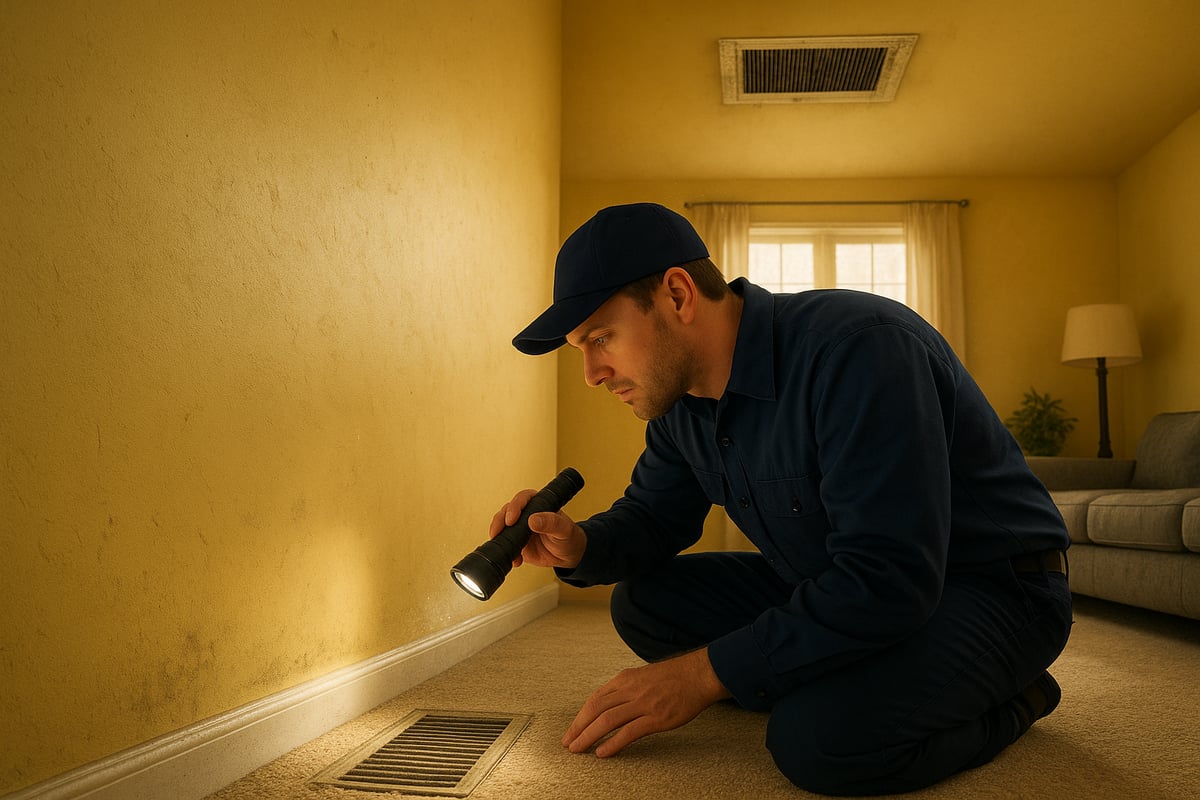
Begin your duct and chimney cleaning by conducting a thorough inspection. Remove vent covers and use a flashlight to look inside air ducts for dust, debris, or mold. For chimneys, check the firebox and flue for soot, creosote, or blockages.

Obstructions like animal nests or leaves should be noted. Use inspection cameras for areas you cannot visually access, ensuring a comprehensive assessment. Record any damage or heavy buildup for future reference. This systematic approach reduces the risk of missing hidden problems during duct and chimney cleaning.

Step 2: Cleaning Air Ducts

Start by carefully removing all vent grilles and registers. Use a vacuum with a HEPA filter to extract loose debris and dust from the ductwork. Attach a rotary brush to flexible rods to scrub the interior surfaces, breaking up stubborn dirt.

Negative air pressure machines can be used to pull contaminants away from the living space, enhancing the effectiveness of duct and chimney cleaning. After brushing, sanitize the ducts with approved agents to eliminate lingering bacteria and allergens.

For a comprehensive walkthrough of the process, consult this Air Duct Cleaning How-To Guide for step-by-step visuals and expert advice.

Measure air quality before and after cleaning to confirm improvement. This data-driven approach ensures your efforts yield measurable results.

Step 3: Cleaning Chimneys

Effective duct and chimney cleaning requires targeted attention to the chimney structure. Begin by sealing off the fireplace opening to contain dust. Use a specialized chimney brush attached to extension rods, scrubbing the entire length of the flue to remove soot and creosote.

Vacuum the firebox and flue using a high-efficiency vacuum, capturing debris and preventing it from entering your home. Inspect the chimney cap and damper for damage or blockages, as these parts are crucial for proper ventilation.

Address minor repairs such as small cracks or loose bricks promptly. Dispose of hazardous materials, including creosote, in accordance with local regulations. Consistent chimney maintenance will support the overall effectiveness of your duct and chimney cleaning efforts.

Step 4: Post-Cleaning Inspection and Testing

Once duct and chimney cleaning is complete, perform a detailed post-cleaning inspection. Check all ducts, vents, and the chimney flue for missed spots or lingering debris. Confirm that all covers, grilles, and dampers are securely reinstalled.

Conduct airflow and draft tests to verify that air moves efficiently through the system. Use an air quality monitor to detect any remaining pollutants or allergens. Ensuring compliance with current safety standards is essential for the long-term success of your duct and chimney cleaning routine.

Step 5: Maintenance Tips and Scheduling

Establish a regular schedule for duct and chimney cleaning to keep your systems running efficiently year-round. Set calendar reminders for annual or biannual cleanings, depending on your household needs.

Watch for signs that may require earlier attention, such as increased dust, persistent odors, or reduced airflow. Between professional visits, vacuum vent covers, and keep the area around the chimney clear of debris.

Effective maintenance not only supports air quality but also extends the lifespan of your HVAC and fireplace systems. Consistency in duct and chimney cleaning will help you avoid costly repairs and ensure a healthier home.

Common Mistakes to Avoid

Avoid common pitfalls that can undermine your duct and chimney cleaning efforts. Do not overlook hidden duct branches or secondary vents, which can harbor dust and mold. Refrain from using harsh chemicals that might damage duct linings or chimney masonry.

Neglecting the chimney cap or damper can lead to moisture problems and blockages. Lastly, do not rely solely on visual inspection; some contaminants are not visible but still pose health risks.

By steering clear of these mistakes, you will maximize the benefits and safety of your duct and chimney cleaning process.

Professional Cleaning vs. DIY: Making the Right Choice

Choosing between professional and DIY duct and chimney cleaning can impact your home's air quality, safety, and long-term costs. Understanding when to hire an expert and what you can handle on your own ensures you make the best decision for your property.

When to Hire a Professional

Certain situations call for a professional approach to duct and chimney cleaning. If your system has complex ductwork, extensive buildup, or hard-to-reach areas, experts have the equipment and skills for thorough cleaning. Structural issues in chimneys, such as cracks or shifting bricks, also require specialized attention.

Insurance and warranties often require documented maintenance by certified professionals. For example, some claims are denied when fires result from neglected chimneys. By hiring experienced technicians, you protect your investment and ensure your duct and chimney cleaning meets safety standards.

DIY Cleaning: Pros, Cons, and Limitations

DIY duct and chimney cleaning offers cost savings and flexibility for homeowners who are comfortable with basic tools and safety practices. You can handle light dust or visible debris with a shop vacuum, brush, and protective gear. However, the risks include incomplete cleaning, missed buildup, or accidental damage.

Professional-grade results are difficult to match without specialized equipment. Complex systems or heavy contamination may hide issues that only experts can detect. For more guidance, see the Homeowner’s guide to air duct cleaning for tips and best practices. Always weigh the pros and cons before attempting duct and chimney cleaning on your own.

What to Look for in a Service Provider

When selecting a professional for duct and chimney cleaning, prioritize credentials and transparency. Look for NADCA or CSIA certification, which ensures adherence to the latest industry standards. Reliable providers offer clear pricing, detailed estimates, and references.

Modern cleaning companies use advanced equipment such as HEPA filtration and eco-friendly products. Read reviews and check for local expertise, like those highlighted on Detroit’s Top Duct Cleaning Professionals. Avoid contractors who lack proper licensing or provide vague information about their duct and chimney cleaning process.

Checklist for Choosing a Provider:

  • Certification (NADCA, CSIA)
  • Transparent pricing
  • Modern, safe equipment
  • Positive customer reviews
  • Proof of insurance

313 Air Duct & Insulation by Jouny: Your Local Expert

For Metro Detroit residents, 313 Air Duct & Insulation by Jouny stands out in duct and chimney cleaning. With over two decades of experience, they provide air duct cleaning, dryer vent cleaning, and insulation services tailored to your needs.

Duct and Chimney Cleaning Guide: Expert Insights for 2026 - 313 Air Duct & Insulation by Jouny: Your Local Expert

Their team uses advanced technology, including Aeroseal and HEPA filtration, to deliver cleaner air and improved system efficiency. Flexible scheduling and free estimates make maintenance convenient. Customer satisfaction and safety are top priorities, ensuring your duct and chimney cleaning is reliable and effective.

Maintenance Schedules, Costs, and Value in 2026

Regular duct and chimney cleaning is essential for maintaining a safe, healthy, and efficient home environment. By following industry-recommended schedules and understanding the associated costs and benefits, homeowners and property managers can maximize their investment and enjoy peace of mind.

Recommended Cleaning Frequencies

The frequency of duct and chimney cleaning depends on several factors. For most residential properties, experts recommend a thorough cleaning every one to two years. Homes with pets, allergies, or high occupancy may require biannual service to maintain optimal indoor air quality.

Commercial buildings and industrial sites often need more frequent attention due to higher usage and stricter regulatory requirements. Always check local guidelines and consider environmental factors, like pollen levels or construction activity, that might affect your cleaning schedule.

By adhering to a regular duct and chimney cleaning routine, you reduce the risk of buildup, improve system longevity, and maintain a healthier indoor environment. Consistent schedules also make it easier to document maintenance for insurance or regulatory purposes.

Typical Costs and What Affects Pricing

Understanding the costs of duct and chimney cleaning helps you budget effectively and avoid surprises. The average price in 2026 ranges from $400 to $1,000 for a full-service cleaning, depending on property size, system complexity, and the level of contamination.

Factors influencing cost include the number of vents, accessibility, presence of mold or pests, and whether repairs are needed. DIY options may seem less expensive initially, but professional services typically offer better results and long-term value.

For a detailed breakdown of typical expenses and what influences them, review this helpful Duct Cleaning Cost Breakdown. Comparing estimates and asking for transparent pricing ensures you get the best value for your duct and chimney cleaning investment.

Value Beyond Cleaning: Energy and Health Savings

Investing in duct and chimney cleaning delivers significant returns beyond just a cleaner home. Clean systems improve HVAC efficiency, resulting in lower energy bills and reduced wear on equipment. In many cases, families see up to 20 percent savings on utility costs after consistent maintenance.

Good air quality also translates to fewer health issues, particularly for those with allergies or asthma. Lower healthcare expenses and increased comfort contribute to your property's overall value. When it's time to sell, documented cleaning records can enhance buyer confidence and lead to a higher resale price.

A simple ROI table can help illustrate the benefits:

BenefitEstimated Savings
Energy BillsUp to 20% annually
Healthcare CostsVariable, often lower
Home Resale ValueHigher market appeal

Insurance, Tax Credits, and Incentives

Documenting your duct and chimney cleaning can unlock valuable financial incentives. Many insurance providers offer discounts for homes with a proven maintenance history, reducing your annual premiums. In 2026, some local governments provide tax credits or rebates for energy-efficient upgrades, which may include regular system cleaning.

Check with your insurer about coverage requirements, as some policies may deny claims if you cannot prove maintenance. Explore municipal or state programs for additional savings, especially if you're considering HVAC or insulation improvements alongside cleaning.

Staying informed about these opportunities ensures you maximize the financial benefits of routine duct and chimney cleaning.

Planning for Future Upgrades

Future-proofing your property involves integrating duct and chimney cleaning with other home upgrades. As smart home technology becomes more prevalent, consider systems that monitor air quality and alert you when cleaning is due.

Combining cleaning with insulation enhancement or HVAC updates can improve overall efficiency and comfort. Staying ahead of regulatory changes and adopting eco-friendly solutions will help you maintain compliance and add long-term value to your property.

By planning ahead, you ensure your investment in duct and chimney cleaning continues to deliver benefits for years to come.

As you look ahead to 2026, maintaining clean air ducts and chimneys is more important than ever for your health, safety, and comfort. We’ve covered how routine cleaning helps you breathe easier, lowers your energy bills, and protects your property’s value. If you want expert support using the latest technology and eco-friendly solutions, you don’t have to handle it alone. Let trusted professionals make the process simple and effective—your home and wellbeing deserve it. Ready to take the next step? Get Free Quote

Supreme Air Duct Cleaning Guide: Your 2026 Success Manual

Imagine breathing fresh, pure air in every room, free from dust, allergens, and hidden pollutants. Cleaner indoor air is not just a luxury but a necessity for healthy living and efficient business operations.

This supreme air duct cleaning guide is your trusted 2026 resource for mastering the science and practice of cleaner air, maximizing the performance of your HVAC system, and protecting your health.

Inside, you’ll discover why duct cleaning is more important than ever in 2026, how to recognize when it’s needed, and the step-by-step methods experts use for best results. We’ll break down essential tools, new technologies, the pros and cons of DIY versus hiring a professional, and proven strategies to help you maintain superior air quality year-round.

Ready to take control of your indoor environment? Follow this guide to achieve cleaner air, greater energy savings, and peace of mind.

Why Air Duct Cleaning Matters in 2026

Indoor air quality has become a top priority for homes and businesses in 2026. With evolving standards and new technologies, understanding the value of supreme air duct cleaning is essential for protecting your health, maximizing efficiency, and supporting environmental goals.

Why Air Duct Cleaning Matters in 2026

The Evolution of Indoor Air Quality Standards

By 2026, indoor air quality (IAQ) regulations have become far more stringent. National and local authorities emphasize the need for supreme air duct cleaning, as scientific research continues to uncover the impact of airborne pollutants on health. The Environmental Protection Agency (EPA) and Centers for Disease Control and Prevention (CDC) now recommend regular duct maintenance for both residential and commercial properties.

The 2025 ASHRAE standards update introduced new benchmarks for HVAC cleanliness, filtration, and system diagnostics. These updates require more frequent inspections and documentation. As a result, property owners must stay informed and proactive to remain compliant and safeguard occupant well-being.

Health Benefits: Reducing Allergens, Dust, and Pathogens

Supreme air duct cleaning is crucial for reducing allergens and harmful particles inside your property. Over time, air ducts can accumulate up to 40 pounds of dust each year, including dust mites, pollen, mold spores, and bacteria. These pollutants contribute to asthma, allergies, and respiratory illnesses.

Many workplaces have experienced fewer sick days and improved employee wellness after comprehensive duct cleaning. Cleaner air means less irritation and fewer triggers for sensitive individuals. For a deeper dive into the advantages, see this summary of the Benefits of Clean Air Ducts.

Energy Efficiency and Cost Savings

A key benefit of supreme air duct cleaning is improved energy efficiency. When ducts are clogged with debris, HVAC systems must work harder to maintain desired temperatures. Studies reveal that clean ducts can boost HVAC efficiency by 20 to 30 percent.

ConditionAverage HVAC EfficiencyMonthly Energy Cost
Dirty Ducts70–80 percentHigher
Clean Ducts90–100 percentLower

By maintaining clean ductwork, property owners notice lower utility bills and reduced strain on equipment. Commercial energy audits routinely highlight these savings as a direct result of regular duct cleaning.

Extending HVAC System Lifespan

Supreme air duct cleaning also helps extend the life of your HVAC system. When dust and debris are minimized, there is less wear and tear on fans, motors, and filters. This reduces the likelihood of costly breakdowns and emergency repairs.

Regular cleaning ensures that your system operates within manufacturer guidelines, which helps maintain warranty coverage. Fewer malfunctions mean less downtime and greater peace of mind for property managers and homeowners.

Environmental Impact

There is a growing focus on sustainability in 2026, making supreme air duct cleaning a responsible choice. Clean ducts allow HVAC systems to consume less energy, which lowers overall carbon emissions. Many cleaning providers now use biodegradable, non-toxic solutions to further reduce environmental harm.

Green building certifications increasingly require routine duct maintenance as part of their standards. This commitment to eco-friendly practices not only benefits the planet but also enhances indoor environments for everyone.

Signs Your Air Ducts Need Cleaning

Recognizing when your air ducts require attention is crucial for maintaining indoor air quality and system efficiency. The signs are often subtle, but regular checks using the supreme air duct cleaning approach can make all the difference. By understanding these indicators, you can address problems before they escalate and protect your investment.

Signs Your Air Ducts Need Cleaning

Visible Indicators and Common Symptoms

Physical signs often point to the need for supreme air duct cleaning. Look for dust collecting around vents and registers, which can signal a buildup inside the ducts. Unexplained musty or stale odors are also telltale warning signs that contaminants are circulating through your system.

Increased allergy or respiratory symptoms indoors, such as sneezing, coughing, or watery eyes, might indicate a spike in airborne irritants. These symptoms frequently worsen when the HVAC system is running. By staying alert to these clues, you can take proactive steps to improve indoor air quality and comfort.

Performance and Efficiency Issues

Declining HVAC performance is a major red flag. If you notice uneven heating or cooling across different rooms, it could be time for supreme air duct cleaning. Rising energy bills often result from your system working harder due to restricted airflow caused by debris in the ducts.

A system that runs longer than necessary or cycles on and off frequently wastes energy and increases wear. Addressing these issues promptly helps maintain consistent comfort levels and reduces long-term operating costs. Early intervention is key to preserving your system's lifespan and efficiency.

Inspection and Testing Methods

Thorough inspection is the backbone of supreme air duct cleaning. Start with a visual check using a flashlight or camera to spot dust, mold, or pest activity inside the ductwork. For a more detailed assessment, use particle counters and air quality monitors to measure indoor pollutant levels.

Following industry standards is essential for reliable results. The Air Duct Cleaning Best Practices guide outlines proven inspection checklists and methods, ensuring you identify all problem areas. Proper documentation and testing provide peace of mind and a clear action plan for remediation.

Frequency Recommendations by Property Type

How often should you schedule supreme air duct cleaning? For residential properties, every 3 to 5 years is typical, but homes with pets or smokers may need more frequent service. Commercial spaces, especially those with high foot traffic, benefit from annual or biannual cleanings.

Special environments such as healthcare facilities, schools, and industrial sites often require even stricter schedules due to higher standards for air quality. By following tailored recommendations for your property type, you ensure a healthier environment and optimal HVAC performance.

Step-by-Step Supreme Air Duct Cleaning Process

Achieving the highest standard of indoor air quality requires a systematic approach. The supreme air duct cleaning process in 2026 involves meticulous preparation, advanced cleaning technology, and strict safety protocols. Each step is designed to ensure maximum effectiveness and long-term benefits for both residential and commercial spaces.

Step-by-Step Supreme Air Duct Cleaning Process

Preparation and Safety Precautions

Before beginning the supreme air duct cleaning process, preparation is essential to protect both occupants and technicians. Start by shutting off the HVAC system to prevent airflow during cleaning, minimizing the risk of airborne contaminants. Clearly mark and secure the work area with warning signs to keep unauthorized personnel away.

Personal protective equipment is non-negotiable. Technicians must wear masks, gloves, and protective eyewear to shield against dust, debris, and cleaning agents. Cover floors and furniture near vents with plastic sheeting or drop cloths to prevent dirt or chemical exposure.

Always inspect the ductwork for hazardous materials such as asbestos or lead paint before starting. If discovered, halt the process and consult certified abatement professionals. These steps ensure that supreme air duct cleaning is performed safely and efficiently, setting the stage for optimal results.

Inspection and Assessment

A thorough inspection is the backbone of effective supreme air duct cleaning. Begin by visually examining all accessible ductwork, vents, and HVAC components. Use high-powered flashlights or remote cameras to spot hidden dust deposits, mold, or pest infestations.

Document problem areas with photos or videos to create a pre-cleaning report. This record is vital for tracking progress and justifying any necessary repairs. Pay attention to signs of moisture, corrosion, or insulation damage that could compromise the system.

Incorporate standards and protocols like those outlined in the NADCA ACR Standard 2025 Edition to ensure your inspection is comprehensive and compliant. Identifying issues early allows for targeted cleaning and remediation, making the supreme air duct cleaning process more effective and reliable.

Removing and Cleaning Vent Covers and Registers

Removing vent covers and registers is a crucial step in the supreme air duct cleaning process. Begin by carefully unscrewing or unclipping each cover, ensuring not to damage the surrounding surfaces. Set aside fasteners in a safe container for easy reassembly.

Once removed, wash grilles and registers with warm, soapy water or a non-toxic disinfectant. Scrub thoroughly to eliminate accumulated dust, pet hair, and microbial growth. Inspect each cover for rust, corrosion, or physical damage.

If blockages are present, use a soft brush or vacuum attachment to clear debris from the openings. Allow all components to dry completely before reinstalling. This step ensures that every part of the ventilation system benefits from the supreme air duct cleaning process.

Agitation and Loosening Debris

Agitation is the key to dislodging stubborn contaminants from duct interiors. The supreme air duct cleaning process employs advanced tools like rotary brushes and air whips to break up caked-on dust, pollen, and mold.

ToolMechanismBest For
Rotary BrushMechanical scrubbingHeavy dust, larger ducts
Air WhipPulsed air jetsFine debris, tight spaces

Technicians select the appropriate tool based on duct material and contaminant type. Agitation should be methodical, covering all sections to prevent missed spots. This approach maximizes the effectiveness of supreme air duct cleaning, ensuring deep and even cleaning throughout the system.

Vacuum Extraction and Containment

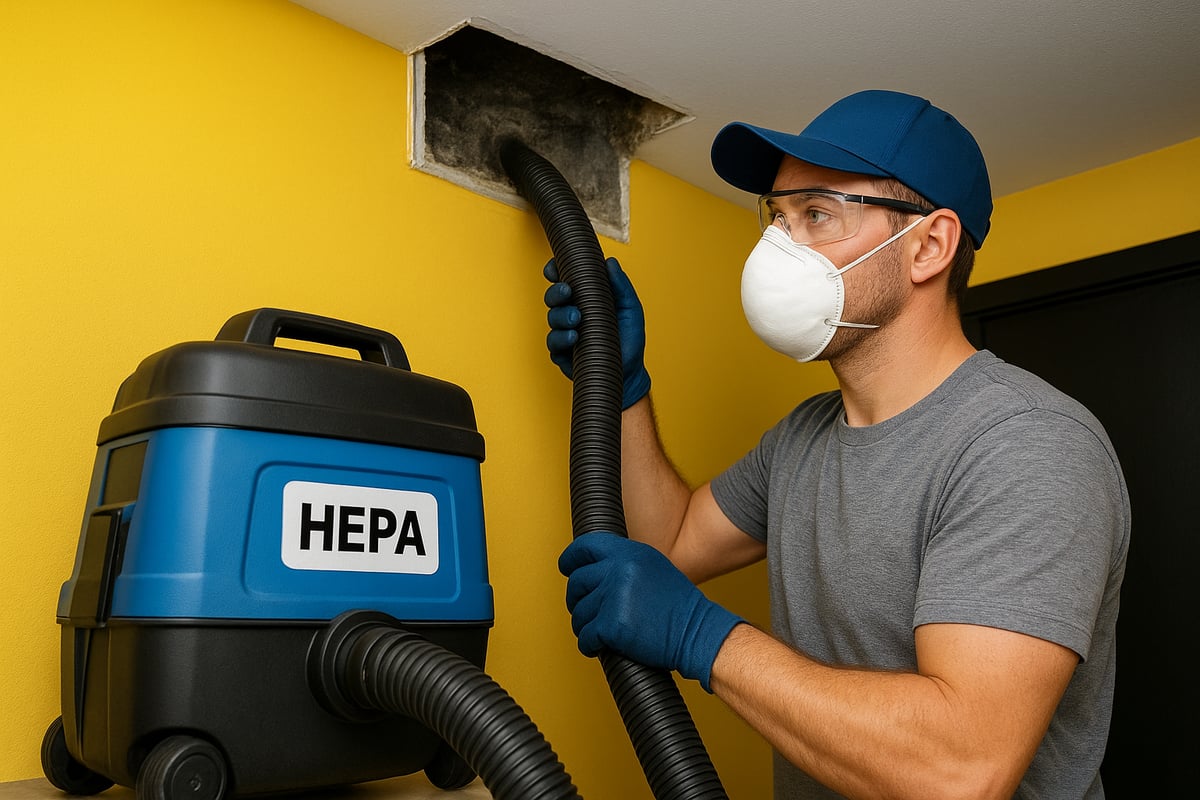
Once debris is loosened, it must be removed without contaminating other areas. The supreme air duct cleaning process uses high-powered HEPA vacuum systems to extract dust, allergens, and microbial particles directly from the ducts.

Negative air pressure containment is established by sealing off the work area and connecting the vacuum to the duct openings. This prevents particles from escaping into occupied spaces. Cleaned sections are temporarily sealed to avoid recontamination while work continues elsewhere.

Proper disposal of collected debris follows local environmental regulations. This stage ensures the supreme air duct cleaning results in measurable improvements in air quality and system hygiene.

Sanitization and Odor Treatment

After physical cleaning, sanitization targets any lingering bacteria, viruses, or mold. The supreme air duct cleaning process uses EPA-approved disinfectants applied via foggers or sprayers for even coverage inside the ducts.

For persistent odors, technicians may deploy specialized deodorizing agents that neutralize smells at the source rather than masking them. If mold is detected, a targeted remediation process is followed, ensuring spores are eliminated and future growth is prevented.

Sanitization not only enhances indoor air freshness but also reduces the risk of respiratory issues. This comprehensive step reinforces the health benefits of supreme air duct cleaning for all building occupants.

Final Inspection and System Testing

A meticulous final inspection completes the supreme air duct cleaning process. Technicians conduct a visual check of all ducts, vents, and HVAC components to confirm cleanliness and proper reassembly.

Airflow and air quality are tested using particle counters and digital monitors, providing quantitative proof of improved conditions. Any detected anomalies are addressed immediately.

Document the entire process with before-and-after photos, test results, and a completion report. This transparency guarantees the supreme air duct cleaning has met all 2026 industry standards and delivers lasting value.

Essential Tools, Technologies, and Best Practices for 2026

Achieving supreme air duct cleaning in 2026 demands more than basic tools. Today’s industry leaders rely on cutting-edge equipment, high-efficiency filtration, and eco-friendly practices to deliver top-tier results. Whether you are a homeowner, property manager, or HVAC professional, understanding these essentials is key to optimizing indoor air quality and system performance.

Advanced Cleaning Equipment

Modern supreme air duct cleaning relies on specialized machines designed to maximize efficiency and safety. HEPA-filtered vacuums are now standard, capturing even the smallest particles and preventing recontamination of indoor spaces.

Robotic duct inspection and cleaning units have become more accessible, allowing detailed navigation through complex ductwork. These robots can capture high-resolution images and remove debris from hard-to-reach areas.

Key equipment includes:

  • Negative pressure machines for safe containment
  • Rotary brushes and air whips for thorough agitation
  • Remote-controlled cameras for precise inspections

By leveraging these technologies, supreme air duct cleaning ensures a deeper, more comprehensive clean than traditional methods.

High-Efficiency Filtration and Air Purification

Filtration has evolved rapidly, especially as supreme air duct cleaning becomes more data-driven. Upgraded HVAC filters rated MERV 13 or higher are now widely recommended, capturing a broader range of contaminants including pollen, dust, and bacteria.

Many systems now integrate UV-C light or ionization units. These technologies neutralize airborne pathogens and further purify circulated air.

Recent data shows filtration efficiency has improved dramatically since 2024, reducing allergen and particulate levels in both residential and commercial settings.

A summary table:

TechnologyBenefit
MERV 13+ FiltersBlocks fine particulates
UV-C LightDestroys bacteria and viruses
IonizationReduces VOCs and odors

Supreme air duct cleaning practices now recommend combining these solutions for optimal air quality.

Eco-Friendly Cleaning Solutions

As sustainability becomes a priority, supreme air duct cleaning providers are shifting to non-toxic and biodegradable agents. These products clean ducts effectively without introducing harsh chemicals into indoor environments.

Look for green certifications on cleaning products, such as EPA Safer Choice labels. These ensure the solutions used are both safe for occupants and for the planet.

Leading practices include:

  • Using plant-based detergents and sanitizers
  • Minimizing water and chemical waste
  • Choosing reusable or recyclable protective materials

Adopting eco-friendly methods is essential for achieving supreme air duct cleaning results in 2026 and aligns with modern environmental standards.

Digital Documentation and Reporting

Digital tools are revolutionizing supreme air duct cleaning by improving transparency and accountability. Technicians now use mobile apps to document every step, from initial inspection photos to post-cleaning results.

Real-time air quality monitors provide instant feedback on particulate levels and system performance. Customers receive digital reports with before-and-after images, airflow data, and maintenance recommendations.

Key benefits:

  • Clear communication and service verification
  • Easy access to maintenance history
  • Faster identification of recurring issues

This digital approach streamlines supreme air duct cleaning while building trust with clients.

Training, Certification, and Industry Standards

Expertise is critical for supreme air duct cleaning, which is why reputable technicians maintain certifications from organizations like NADCA and IAQA. Ongoing education ensures teams stay current with the latest technologies and safety protocols.

In 2026, industry standards are influenced by evolving global goals for indoor environmental quality and HVAC efficiency. For example, the ASHRAE 2025–2028 Strategic Plan outlines advancements that shape best practices and compliance requirements.

Best practices include:

  • Regular technician training and skills updates
  • Strict adherence to updated cleaning protocols
  • Verification of insurance and professional affiliations

By following these standards, supreme air duct cleaning providers deliver consistent, high-quality service across all property types.

DIY vs. Professional Air Duct Cleaning: What’s Right for You?

Choosing between DIY and professional supreme air duct cleaning is an important decision for homeowners and business owners alike. Your choice affects not just cleanliness, but also air quality, energy efficiency, and your HVAC system's longevity.

Pros and Cons of DIY Duct Cleaning

DIY supreme air duct cleaning is appealing for its convenience and cost savings. Many attempt this route with household vacuums, brushes, and off-the-shelf cleaners. However, it comes with notable limitations.

Pros:

  • Saves on labor costs
  • Offers flexible scheduling
  • Provides a sense of accomplishment

Cons:

  • Limited access to deep ductwork
  • Inability to remove stubborn debris or mold
  • Risk of damaging ducts or HVAC components

Most household tools cannot match the suction or reach of professional-grade HEPA vacuums. Improper cleaning can dislodge contaminants without removing them, potentially worsening indoor air quality. For truly supreme air duct cleaning, it is vital to weigh these risks before proceeding.

When to Hire a Professional Service

Certain situations call for expert intervention. Complex duct layouts, visible mold, pest infestations, or persistent odors all signal the need for professional supreme air duct cleaning. Certified technicians use powerful negative pressure vacuums and advanced cleaning agents, ensuring thorough results and compliance with industry standards.

For homes with allergy sufferers, recent renovations, or commercial properties, hiring professionals is often the safest choice. If you want a detailed overview of what's included, review these Residential Duct Cleaning Services to understand the difference in depth and quality.

Choosing professional supreme air duct cleaning not only improves indoor air quality, but also protects your investment.

What to Look for in a Professional Air Duct Cleaner

When selecting a provider for supreme air duct cleaning, verify credentials and experience. Look for companies with NADCA or IAQA certifications, transparent pricing, and positive customer references. Insurance coverage is essential to protect against accidental damage.

A trustworthy provider will explain their process, use HEPA-filtered equipment, and offer before-and-after documentation. Industry affiliations and ongoing technician training indicate a commitment to best practices and safety.

Ask for a written estimate and clarify what services are included before scheduling supreme air duct cleaning. This ensures you receive comprehensive care and avoid hidden costs.

313 Air Duct & Insulation by Jouny: Trusted Local Experts

For those in Metro Detroit seeking supreme air duct cleaning, 313 Air Duct & Insulation by Jouny stands out. With 20 years of experience, they serve residential, commercial, and industrial clients with advanced technology like HEPA vacuums and Aeroseal®.

Supreme Air Duct Cleaning Guide: Your 2026 Success Manual - 313 Air Duct & Insulation by Jouny: Trusted Local Experts

Their team prioritizes indoor air quality, energy efficiency, and customer satisfaction. Eco-friendly cleaning solutions and free online quotes make the process convenient and safe.

By choosing a reputable expert for supreme air duct cleaning, you safeguard your property, health, and HVAC investment for years to come.

Maintaining Clean Air Ducts for Long-Term Success

Maintaining clean air ducts is essential for lasting indoor air quality and efficient HVAC performance. Whether you manage a home or a commercial facility, adopting the right habits ensures the benefits of supreme air duct cleaning endure well beyond the initial service. The following strategies help you proactively safeguard your investment and your health.

Routine Maintenance and Filter Replacement

Consistent maintenance is the cornerstone of supreme air duct cleaning. Replace HVAC filters every one to three months, depending on usage and environmental factors. High-efficiency filters, such as those rated MERV 13 or above, trap more particulates and allergens, extending the advantages of a deep clean.

Regularly clean vent covers and registers, as dust and debris can accumulate quickly. Set reminders to inspect filters and vents, especially in homes with pets, smokers, or recent renovations. Keeping these components pristine helps your supreme air duct cleaning results last longer and supports optimal airflow throughout your system.

Monitoring Indoor Air Quality

Ongoing monitoring is vital for upholding supreme air duct cleaning standards. Install indoor air quality (IAQ) monitors that measure particulate matter, volatile organic compounds (VOCs), and humidity levels. These devices can alert you to changes that may signal contamination or system inefficiency.

Smart sensors now integrate with home automation platforms, making it easy to track air quality trends over time. For larger buildings, consider advanced commercial systems that provide real-time data and historical reports. Monitoring ensures you respond swiftly to any air quality decline, maximizing the impact of your supreme air duct cleaning efforts.

Preventing Contamination and Future Build-Up

Prevention is key to minimizing the need for frequent deep cleans. After supreme air duct cleaning, seal duct leaks with appropriate materials to prevent dust and pollutants from entering the system. Insulate vulnerable sections to reduce condensation and discourage mold growth.

Manage indoor moisture levels by using dehumidifiers and promptly repairing water leaks. Keep entryways, floors, and surrounding areas clean to reduce the amount of debris entering ducts. These steps work together to preserve the cleanliness achieved through supreme air duct cleaning, reducing future maintenance costs.

Seasonal and Situational Considerations

Timing matters when planning supreme air duct cleaning and maintenance. Schedule a cleaning before peak allergy seasons, such as spring and fall, to minimize allergen circulation. After home renovations or construction, prioritize a thorough duct cleaning to remove residual dust and building materials.

Properties with pets or smokers may require more frequent attention, as hair, dander, and smoke particles accumulate rapidly. Commercial facilities should follow industry guidelines for cleaning frequency, taking into account occupancy and usage patterns. Adapting your schedule to your environment helps maintain the results of supreme air duct cleaning year-round.

Educating Occupants and Promoting Awareness

A well-informed household or workforce is essential for sustaining supreme air duct cleaning benefits. Share best practices for filter changes, vent cleaning, and reporting indoor air quality concerns. Encourage regular walkthroughs to check for visible dust, odors, or signs of moisture.

Provide resources such as maintenance checklists or access to the NADCA Commercial Cleaning Checklist for larger facilities. Ongoing education fosters accountability and ensures everyone contributes to a healthier indoor environment, maximizing the value of your supreme air duct cleaning investment.

Leveraging Technology for Ongoing Success

Embrace modern technology to streamline supreme air duct cleaning maintenance. Use digital service records and automated reminders to track filter changes and schedule inspections. Many HVAC providers now offer customer portals for accessing reports and recommendations after each cleaning.

Stay informed about the latest industry developments, such as ASHRAE standards and filtration advancements, which influence best practices and available tools. Integrating these technologies and standards supports continuous improvement, ensuring your supreme air duct cleaning results stand the test of time.

Now that you understand the impact clean air ducts have on your health, comfort, and energy savings, it’s time to take the next step for your home or business. With the right expertise and advanced technology, you can achieve a healthier indoor environment and greater HVAC efficiency—without any guesswork. If you want to experience these benefits firsthand, why not connect with trusted professionals who prioritize your well being and satisfaction? Let’s make your 2026 air quality goals a reality—simply Get Free Quote to start your journey toward fresher, cleaner air.

All Pro Air Duct Cleaning Guide: Fresh Air Solutions 2026

Imagine stepping into your home or business and instantly noticing fresher, cleaner air that supports your well-being. In this 2026 guide, we explore how all pro air duct cleaning can transform your indoor environment using the latest practices and technology.

You will learn why air duct cleaning is essential, how the process works, and what to look for when choosing the right provider for your needs. Discover expert solutions for healthier air, energy savings, and peace of mind. Let’s begin your journey to a cleaner, safer, and more comfortable space.

The Importance of Air Duct Cleaning in 2026

Breathing easy in 2026 is about more than comfort—it is about safeguarding health, saving on energy, and ensuring compliance. As buildings evolve and regulations tighten, all pro air duct cleaning stands out as a vital service for homeowners and businesses alike. Understanding its multifaceted importance helps you make informed decisions for a safer, cleaner indoor environment.

The Importance of Air Duct Cleaning in 2026

Health and Wellness Benefits

Prioritizing indoor air quality is essential for well-being. All pro air duct cleaning reduces allergens, dust, pollen, pet dander, and airborne irritants that can accumulate in ductwork.

  • Removes mold, mildew, and bacteria, minimizing respiratory risks.
  • Especially important for households with allergy sufferers or asthma.
  • According to the National Air Duct Cleaners Association (NADCA), families report fewer asthma attacks and allergy symptoms after regular duct cleaning.
  • Enhances comfort and supports a healthier environment year-round.

A recent review highlighted how professional duct cleaning delivers measurable improvements in air quality and occupant health. For more details on these advantages, see the Top Benefits of Air Duct Cleaning.

Energy Efficiency and Cost Savings

All pro air duct cleaning also offers significant energy and cost efficiencies. Clean ducts allow HVAC systems to run smoothly, reducing the strain on equipment.

  • Prevents blockages and buildup that make HVAC systems work harder.
  • Extends the lifespan of heating and cooling equipment.
  • The EPA estimates that clean HVAC systems can operate up to 20 percent more efficiently.
BenefitResidential ImpactCommercial Impact
Lower utility billsYesYes
Fewer repairsYesYes
Sustainability complianceOptionalOften required

Real-world examples show that both homes and businesses achieve noticeable savings on energy bills after scheduling all pro air duct cleaning.

Odor and Air Freshness Improvement

Persistent odors can undermine the comfort of any space. All pro air duct cleaning eliminates musty, stale, or smoky smells trapped within ductwork.

  • Removes odor-causing particles and contaminants.
  • Contributes to a fresher, more inviting indoor atmosphere.
  • Homeowners often notice immediate air freshness after cleaning.

This service is especially valuable for pet owners and those living with smokers. Businesses benefit by creating a positive impression for clients and staff. The improvement in air freshness is a clear, tangible result of professional duct cleaning.

Regulatory and Safety Considerations

In 2026, meeting health and safety standards is more important than ever. All pro air duct cleaning helps properties comply with evolving building codes and regulations.

  • Reduces fire hazards, especially with regular dryer vent cleaning.
  • Required for compliance in medical, industrial, and food service facilities.
  • Insurance companies may mandate routine duct maintenance.

For example, commercial kitchens and clinics must adhere to strict air quality standards. Keeping up with these requirements not only protects property value but also ensures the safe operation of all HVAC and ventilation systems.

Understanding the Air Duct Cleaning Process

The all pro air duct cleaning process is designed to deliver measurable improvements in indoor air quality, energy efficiency, and system reliability. Whether your property is residential or commercial, understanding each step helps ensure you receive the best results. Let’s walk through the essential phases, from the first inspection to ongoing maintenance.

Understanding the Air Duct Cleaning Process

Initial Inspection and Assessment

A thorough initial inspection sets the foundation for all pro air duct cleaning. Certified technicians begin by examining the entire duct system using advanced cameras and diagnostic tools. This approach identifies visible dust, debris, mold, or blockages that could compromise air quality.

Professionals document their findings with visual and photographic reports. This transparency ensures you receive an accurate, upfront quote tailored to your needs. By understanding the current condition of your ducts, you avoid mid-job surprises and enable targeted cleaning strategies.

For more information on when and why to schedule air duct cleaning, consult the EPA guidelines on air duct cleaning, which highlight key indicators such as mold growth or pest infestation. A proper assessment ensures your cleaning is both necessary and effective.

Step-by-Step Cleaning Procedures

Once the inspection is complete, all pro air duct cleaning proceeds with a systematic, step-by-step approach. First, technicians seal vents and registers to protect your property and contain dust. High-powered vacuums and rotary brushes are inserted into the ductwork, dislodging accumulated debris, pollen, and pet dander.

Negative air pressure technology is used to capture and remove contaminants safely. NADCA-certified methods require cleaning all system components, including supply and return ducts, registers, and grilles. If needed, EPA-approved sanitizers are applied to eliminate bacteria or lingering odors.

After cleaning, technicians conduct a final system test to verify that airflow and cleanliness meet industry standards. Detailed documentation assures you that every area has been addressed. The all pro air duct cleaning process is rigorous, ensuring maximum benefits for air quality and system performance.

Specialized Dryer Vent Cleaning

Dryer vent cleaning is a crucial component of all pro air duct cleaning, especially for homes and businesses with regular laundry needs. Over time, lint and debris accumulate in vent lines, creating fire hazards and reducing dryer efficiency.

Technicians use specialized brushes and vacuums to clear the vent from end to end. This process results in noticeably quicker drying times and lower energy consumption. Annual dryer vent cleaning is recommended by fire safety experts to protect both property and occupants.

In commercial settings, such as laundromats or apartment buildings, regular maintenance helps prevent costly disruptions and ensures compliance with safety guidelines. Proper dryer vent cleaning supports safer and more efficient appliance operation.

Mold Remediation and Odor Elimination

Sometimes, inspection reveals persistent issues like mold or mildew within the ductwork. All pro air duct cleaning includes additional steps for these challenges. Technicians identify the source of moisture, which may require HVAC repairs before cleaning can proceed.

Specialized treatments are applied to remove mold and eliminate odors. Addressing moisture sources is essential to prevent recurrence. In severe cases, collaboration with mold remediation experts may be necessary to ensure thorough removal.

Odor elimination techniques restore freshness to indoor spaces, benefiting those with allergies or sensitivities. This comprehensive approach ensures long-term improvement in both air quality and comfort.

Post-Cleaning Verification and Maintenance Tips

After all pro air duct cleaning is complete, technicians provide visual and photographic documentation to confirm cleanliness. You’ll receive recommendations for ongoing maintenance, including regular filter changes and scheduling periodic inspections every three to five years.

Commercial properties may require more frequent checks based on occupancy and usage. Homeowners should watch for signs of contamination, such as visible dust or increased allergies. Maintaining clean ducts protects your investment, enhances comfort, and extends the life of your HVAC system.

A commitment to regular maintenance ensures that the benefits of all pro air duct cleaning are long-lasting and reliable.

Residential vs. Commercial Air Duct Cleaning Needs

Choosing the right all pro air duct cleaning solution means understanding the unique requirements of residential and commercial properties. Each environment presents distinct challenges, regulations, and goals. Whether you manage a home or oversee a large facility, knowing the differences can help you achieve the best indoor air quality and system performance.

Residential vs. Commercial Air Duct Cleaning Needs

Key Differences in System Complexity

Residential and commercial air duct systems differ significantly in their design and operational demands. Residential ductwork is typically smaller, with straightforward layouts tailored to individual homes. In contrast, commercial systems often span multiple zones or floors, requiring advanced controls and robust maintenance.

  • Residential systems: simpler layouts, fewer branches, less square footage
  • Commercial systems: larger, multiple zones, complex airflow controls
  • Example: Hospitals and office buildings need specialized solutions for regulated environments

All pro air duct cleaning providers must tailor their approach to these complexities. For a closer look at what residential services entail, visit Residential Duct Cleaning Services for a comprehensive overview.

Hiring experienced professionals is vital, as commercial jobs may require industrial-grade equipment and advanced inspection tools. Custom strategies ensure optimal results for both property types.

Frequency and Scheduling Recommendations

The right cleaning interval is critical for maximizing the benefits of all pro air duct cleaning. For homes, experts recommend cleaning every 3 to 5 years. However, households with pets, allergies, or recent renovations may need more frequent attention.

  • Residential: 3–5 years, or sooner with pets/allergies
  • Commercial: 3–5 years minimum, more often for healthcare or food service
  • Special cases: Clinical, pharmaceutical, and manufacturing facilities may require annual cleanings

Signs that cleaning is due include visible dust, increased allergy symptoms, or occupant complaints. Preventive scheduling helps avoid disruptions and keeps systems running efficiently. Maintenance logs and reminders support ongoing air quality and compliance.

Regulatory and Compliance Considerations

Regulations for all pro air duct cleaning vary by property type. Commercial buildings must comply with OSHA, EPA, and local codes. Facilities like hospitals and restaurants face additional air quality standards, requiring thorough documentation and periodic audits.

  • Commercial: Strict compliance, certification, and record-keeping necessary
  • Residential: Fewer regulations, but improved safety and health benefits

For commercial properties, failure to document cleaning can lead to insurance or liability issues. Certified providers follow standards such as those set by NADCA, ensuring that cleaning meets industry guidelines. Residential owners also benefit from professional service, but face less regulatory pressure.

Cost Factors and Value Assessment

Understanding the cost structure of all pro air duct cleaning helps set realistic expectations. Residential jobs typically range from $200 to $750, depending on system size and condition. Commercial pricing is more complex, often billed by square footage or hourly rates.

FeatureResidentialCommercial
System sizeSmallerLarger, multi-zone
Cost$200–$750By square footage/hour
Frequency3–5 years1–5 years, varies
RegulationsMinimalStrict, documented

Transparent, upfront quotes are essential to avoid hidden fees. The value of all pro air duct cleaning is measured in better air quality, lower energy costs, and improved occupant satisfaction. In commercial settings, ROI also includes fewer repairs and reduced downtime.

Choosing an All Pro Air Duct Cleaning Provider

Selecting the right all pro air duct cleaning provider is crucial for maximizing the health, efficiency, and safety benefits of your HVAC system. With so many options available in 2026, knowing what to look for will help you make an informed, confident choice.

Choosing an All Pro Air Duct Cleaning Provider

Credentials and Certifications to Look For

When hiring an all pro air duct cleaning provider, always verify their credentials. Look for NADCA membership, which ensures technicians are trained in the latest cleaning and safety protocols. Certified companies follow industry best practices, and their technicians are equipped to deliver reliable results.

Ask for proof of insurance and bonding to protect your property. Reputable providers are transparent about their qualifications and happy to share documentation. Review their training background, especially for advanced cleaning technologies and regulatory compliance.

You can further educate yourself on the importance of credentials and proper procedures by consulting resources like the NADCA guide on duct cleaning and indoor air quality. Before making your decision, prepare a list of questions:

  • Are technicians NADCA-certified?
  • Do you carry liability insurance?
  • Can you provide recent client references?

Taking these steps ensures your all pro air duct cleaning service meets industry standards.

Evaluating Reputation and Customer Experience

A provider’s reputation speaks volumes about their reliability and service quality. Start by reading online reviews and testimonials from past clients. High return customer rates and positive before-and-after photos indicate consistent results.

Transparent quoting is essential. The best all pro air duct cleaning companies provide detailed estimates with no hidden fees. Family-owned and operated businesses may offer a more personalized approach, but always verify their track record.

Customer experience extends beyond the job itself. Responsive communication, clear answers to your questions, and guarantees on workmanship set top providers apart. Look for companies that are open about their process and invite feedback to ensure your satisfaction.

Avoiding Scams and Unethical Practices

Unfortunately, the air duct cleaning industry is not immune to scams. Watch for warning signs such as unusually low quotes, upselling tactics, or a lack of proper credentials. Some disreputable companies may increase prices mid-job or pressure you into cash-only deals.

Protect yourself by insisting on thorough pre-job inspections and written agreements. Verify the legitimacy of all pro air duct cleaning providers through NADCA directories or by requesting references. Avoid high-pressure sales tactics or vague service descriptions.

If you encounter unethical practices, report them to relevant industry associations. By staying vigilant, you safeguard your investment and ensure that your duct cleaning experience is both safe and effective.

Comparing Service Packages and Technologies

Not all air duct cleaning packages are created equal. Compare standard and advanced services carefully. Some providers offer basic cleaning, while others bundle in dryer vent cleaning, mold remediation, or air quality testing.

Modern all pro air duct cleaning providers use HEPA filters, negative air machines, and video inspection tools for thorough results. Ask about value-added services such as maintenance plans or indoor air quality monitoring to extend the benefits of cleaning.

When assessing packages, request a clear breakdown of what is included and any optional add-ons. Matching the technology and service level to your property’s needs ensures you receive the best possible outcome from your investment.

Advanced Fresh Air Solutions for 2026

Breathe easier in 2026 with the latest advancements in all pro air duct cleaning. Modern solutions are transforming how homeowners and businesses achieve cleaner, safer indoor air. From robotics and artificial intelligence to sustainable cleaning agents and real-time air quality monitoring, the landscape is evolving rapidly. Explore how new technologies and practices redefine fresh air solutions for the future.

Innovations in Air Duct Cleaning Technology

The all pro air duct cleaning industry now leverages a range of smart technologies to deliver superior results. Technicians use AI-powered cameras and robotics to inspect and clean ductwork with unmatched precision. These systems can navigate complex duct layouts, identify hidden contaminants, and ensure every corner is addressed.

Robotic brushes and negative air machines improve both safety and effectiveness. Remote video monitoring provides real-time feedback for both technicians and clients. For commercial clients, data-driven maintenance scheduling helps reduce unexpected downtime and keeps systems running smoothly.

HEPA-filtered vacuums and advanced containment systems further protect indoor environments during the cleaning process. According to the NADCA study on HVAC cleaning and energy efficiency, these innovations not only improve air quality but also reduce system energy consumption significantly. As these technologies become standard, all pro air duct cleaning sets a new benchmark for thoroughness and efficiency.

Integrating Air Purification and Filtration Systems

Modern all pro air duct cleaning goes beyond removing dust and debris. Leading providers now offer integration with advanced air purification and filtration systems. Whole-home and facility-wide purifiers work alongside duct cleaning, capturing microscopic particles and neutralizing airborne pathogens.

High-efficiency filters, such as HEPA and MERV 13+, are recommended for ongoing protection. Many facilities also employ UV-C light systems to reduce bacteria and viruses in the air. Scientific reviews, including the PubMed review on duct cleaning effectiveness, underscore the benefits of combining mechanical cleaning with filtration technologies.

For sensitive environments, such as hospitals or laboratories, custom air purification solutions are essential. The result is a dramatic reduction in allergens, odors, and contaminants. By integrating these systems, all pro air duct cleaning supports a healthier, more productive indoor environment.

Sustainable and Green Cleaning Practices

Sustainability is a core focus in all pro air duct cleaning for 2026. Providers are shifting to biodegradable, non-toxic cleaning products that minimize environmental impact. This approach not only protects the planet but also ensures safer indoor air for building occupants.

Green-certified cleaning options are increasingly popular among eco-conscious clients. Technicians follow best practices for conserving water and energy during the cleaning process. Many companies also support clients pursuing LEED or other green building certifications.

Education is another key component. Providers offer guidance on maintaining air quality using eco-friendly methods, such as regular filter changes and humidity control. As demand for green solutions grows, all pro air duct cleaning continues to lead with environmentally responsible practices.

Monitoring and Maintaining Indoor Air Quality

Continuous monitoring is revolutionizing how all pro air duct cleaning delivers lasting results. IoT sensors now track air quality metrics in real time, alerting facility managers to potential issues before they escalate. Scheduled maintenance reminders, delivered through apps or email, keep ductwork and purification systems operating at peak efficiency.

Commercial buildings are adopting data analytics to identify trends and optimize cleaning schedules. This proactive approach reduces health risks and extends the lifespan of HVAC equipment. Homeowners also benefit from user-friendly tips, such as recognizing early signs of duct contamination and scheduling periodic inspections.

By partnering with air quality consultants, all pro air duct cleaning ensures every environment maintains optimal freshness and safety. Ongoing education and transparent communication provide peace of mind for property owners and occupants alike.

Frequently Asked Questions About Air Duct Cleaning

Have questions about all pro air duct cleaning? You are not alone. Many homeowners and facility managers want to know what to expect from the process, how it benefits indoor air quality, and how to maximize results. Here, we address the most common concerns, highlight when to schedule service, and provide guidance for ongoing maintenance.

Common Concerns and Misconceptions

Many people question whether all pro air duct cleaning truly makes a difference. Research from NADCA shows that professional cleaning can reduce allergens and improve air quality, especially for those with respiratory issues. Some believe that duct cleaning is only necessary if visible debris is present, but contaminants can build up unseen over time.

A frequent misconception is that cleaning ducts will eliminate every odor or prevent all mold growth. While all pro air duct cleaning removes sources of smells and helps control mold, persistent issues may require additional remediation. The cleaning process is designed to be minimally disruptive, with professionals using protective coverings and efficient equipment.

Wondering about the value? Studies show improved comfort and fewer allergy symptoms after service. Knowing what the process can and cannot do helps set realistic expectations for your air quality goals.

Signs It’s Time for Air Duct Cleaning

Recognizing when to schedule all pro air duct cleaning is essential for maintaining a healthy environment. Common indicators include:

  • Visible dust or debris inside vents or on registers
  • Unexplained musty or stale odors in rooms
  • More frequent allergy or asthma symptoms among occupants

Other signs involve increased dust on surfaces, pet hair accumulation, or recent renovations that may introduce construction debris. If you notice occupants getting sick more often or see mold growth, a professional inspection is recommended.

Routine assessments every three to five years are best for most homes and businesses. For properties with pets, smokers, or high occupancy, more frequent cleaning may be needed. Taking proactive steps ensures your system operates efficiently and supports better indoor air quality.

Cost, Scheduling, and What to Expect

The cost of all pro air duct cleaning varies based on property size, contamination level, and system complexity. Residential services typically range from $200 to $750, while commercial jobs may be billed by the hour or square footage. Most residential cleanings take two to four hours, with minimal disruption to daily activities.

During the process, technicians will seal off vents, use high-powered vacuums, and perform a thorough cleaning. You usually do not need to leave the property. Clear, upfront quotes are standard, so ask for a detailed breakdown before work begins.

For homes or businesses with laundry facilities, specialized Dryer Vent Cleaning Importance is often recommended. This service can help prevent fire risks and improve appliance efficiency. Scheduling regular cleanings and inspections ensures long-term savings and peace of mind.

Long-Term Benefits and Maintenance Tips

After all pro air duct cleaning, maintaining indoor air quality is straightforward with a few best practices. Change HVAC filters regularly, ideally every three months or as recommended by your provider. Keep humidity levels under control to reduce the chance of mold growth.

Schedule periodic inspections to catch early signs of contamination. Many facilities benefit from maintenance plans, which can prevent costly repairs and keep air fresh year-round. Consider additional steps like air purification or humidity control for sensitive environments.

Educate occupants on the importance of clean ducts and remind them of the benefits, such as fewer health complaints and improved system lifespan. Consistent maintenance helps you maximize the value of your investment in all pro air duct cleaning.

As you’ve seen throughout this guide, investing in professional air duct cleaning and insulation isn’t just about cleaner air—it’s about creating a healthier, more efficient space for you and those who rely on it. Whether you’re looking to reduce allergens, improve energy savings, or simply enjoy fresher air every day, taking the next step is simple. If you’re ready to experience these benefits firsthand or want tailored advice for your home or business, I encourage you to Get Free Quote and discover how easy it can be to breathe easier in 2026.

Remove Mold from Ductwork: The Essential Guide 2026

Discovering mold in your ductwork can be a serious concern. Not only does it compromise your indoor air quality, but it can also put your family’s health at risk. The presence of mold may seem overwhelming, but understanding how to remove mold from ductwork is the first step toward a healthier home.

In this essential 2026 guide, you will find everything you need to address this issue safely and effectively. We’ll explain the dangers mold poses in HVAC systems, how to spot early warning signs, offer step-by-step removal instructions, share prevention strategies, and outline when to seek professional help. Protect your air, your investment, and your loved ones with proven solutions you can trust.

Understanding Mold in Ductwork: Causes and Risks

Discovering how to remove mold from ductwork starts with understanding why mold takes hold in your HVAC system. Mold thrives in specific conditions, and your ductwork can quickly become a breeding ground if certain factors align. By identifying these causes and risks, you can take proactive steps to protect your indoor air quality and your investment.

Understanding Mold in Ductwork: Causes and Risks

What Causes Mold Growth in Air Ducts?

Mold in air ducts typically results from a combination of moisture, organic debris, and limited airflow. When you attempt to remove mold from ductwork, it is crucial to address these root causes:

  • Moisture from condensation, leaking AC coils, or high humidity
  • Poor ventilation that traps damp air inside ducts
  • Dust, pet dander, and other organic materials serving as food for mold
  • Unsealed duct joints allowing humid air to enter

A leaky air conditioning coil or poorly sealed ductwork can introduce enough moisture to trigger mold growth. Addressing these issues is the first step if you want to remove mold from ductwork effectively.

Health Risks of Mold in Ductwork

When mold takes hold inside your HVAC system, the health consequences can be significant. Attempting to remove mold from ductwork is not just about cleanliness—it is a matter of well-being. Mold spores released into your home’s air can cause:

  • Allergic reactions such as sneezing, coughing, and watery eyes
  • Triggered asthma attacks, bronchitis, or sinus infections
  • Greater risk for children, the elderly, and people with compromised immune systems

According to the EPA, indoor air can be two to five times more polluted than outdoor air, largely due to contaminants like mold. For more detailed guidance, the EPA guidelines on mold remediation offer comprehensive recommendations for handling mold in ductwork and maintaining safe air quality.

Structural and Financial Impacts

If you do not remove mold from ductwork promptly, the damage can extend beyond health concerns. Mold can deteriorate duct linings, corrode metal components, and lead to:

  • Expensive duct repairs or replacements
  • Reduced HVAC efficiency, causing higher energy bills
  • Decreased property value if mold problems persist

Neglecting to remove mold from ductwork can ultimately result in significant financial setbacks. Addressing mold early prevents costly repairs and preserves the value of your home.

Early Warning Signs and Symptoms

Identifying mold early helps you remove mold from ductwork before it spreads. Common signs include:

  • Persistent musty odors when the HVAC system runs
  • Visible black, green, or white patches near vents or inside ducts
  • Increased dust or unexplained allergy symptoms among occupants

If you notice these symptoms, it is time to investigate further and take action. Early intervention makes it easier to remove mold from ductwork and restore healthy airflow throughout your home.

How to Identify Mold in Air Ducts

Mold can lurk unseen in your HVAC system, but learning how to identify it is the first step to remove mold from ductwork and protect your indoor air quality. Early detection is crucial to prevent health risks and costly repairs. Here’s how to spot and confirm a mold problem in your air ducts.

How to Identify Mold in Air Ducts

Visual Inspections: What to Look For

Begin your inspection by visually checking vent covers, registers, and the inside of accessible ductwork. Mold often appears as irregular black, green, or white patches. These spots may look fuzzy or slimy, setting them apart from regular dust.

Pay attention to:

  • Dark or discolored streaks on vent covers
  • White, gray, or green clusters inside duct openings
  • Water stains or visible moisture near HVAC components

If you notice any of these signs, it could indicate the need to remove mold from ductwork before it spreads further. Use a flashlight and mirror for hard-to-see areas, and always check areas near AC coils or drip pans, as these are common spots for growth.

Smell and Sensory Cues

Sometimes, your nose is the best tool for early detection. A persistent musty or earthy odor when your HVAC system runs is a strong indicator of mold.

Other sensory cues to watch for:

  • Unusual smells that intensify with airflow
  • A damp or stale feeling in the air
  • Increased allergy symptoms like sneezing or coughing when indoors

If these odors linger, it is a clear sign that you should investigate further and potentially remove mold from ductwork. Trust your senses and act quickly if something seems off.

Using Mold Test Kits

If visual and sensory clues are inconclusive, consider using a mold test kit. These DIY kits are readily available and come in several forms:

  • Swab kits: Collect samples from visible patches inside ducts
  • Tape kits: Press adhesive tape onto surfaces to pick up spores
  • Air sample kits: Capture airborne particles to test for hidden mold

Follow kit instructions carefully to collect and send samples to a lab for analysis. For a step-by-step overview on cleaning and sampling, consult this Air Duct Cleaning How-To Guide. If results confirm contamination, you will have the data needed to remove mold from ductwork with confidence.

Professional Mold Assessment

If you suspect a serious issue or cannot access all ductwork, hiring a certified inspector is the safest choice. Professionals use advanced tools like moisture meters, borescopes, and specialized air sampling devices. They can pinpoint hidden mold and recommend the best way to remove mold from ductwork, ensuring nothing is missed. This is especially important if you have vulnerable family members or recurring symptoms.

Differentiating Mold from Dust or Dirt

Mold and dust can look similar, but there are key differences:

FeatureMoldDust/Dirt
AppearanceFuzzy, slimy, patchyFine, powdery, uniform
ColorBlack, green, whiteGray, brown, tan
TextureMoist or stickyDry, loose

If you are unsure, err on the side of caution and treat suspicious spots as mold. This proactive approach helps remove mold from ductwork before it becomes a larger problem.

Step-by-Step Guide: Removing Mold from Ductwork Safely

Discovering how to remove mold from ductwork is essential for protecting your home's air quality and your family's health. This guide walks you through every stage, from preparation to post-cleaning inspection, ensuring you approach each step with confidence and precision.

Step-by-Step Guide: Removing Mold from Ductwork Safely

Preparation and Safety Precautions

Before you remove mold from ductwork, prioritize your safety and prevent cross-contamination. Start by turning off your HVAC system. This stops airflow, reducing the risk of mold spores circulating throughout your home.

Next, gather personal protective equipment (PPE) for everyone involved. Essential items include:

  • Disposable gloves
  • N95 respirator mask
  • Safety goggles
  • Long-sleeved clothing

Seal off the affected area with plastic sheeting and painter's tape. Cover nearby vents and doorways to contain any spores released during cleaning.

Reviewing industry standards, such as the NADCA standards for HVAC cleaning, can provide additional guidance to ensure you follow best practices throughout the process.

Gathering Necessary Tools and Cleaning Supplies

To effectively remove mold from ductwork, you need the right tools and cleaning solutions. Prepare the following items:

  • HEPA vacuum cleaner (for fine mold spores)
  • Long-handled brushes or duct cleaning brushes
  • EPA-registered mold-killing cleaner or disinfectant
  • Clean rags or microfiber cloths
  • Buckets for mixing solutions
  • Plastic sheeting and garbage bags for debris

Organize all supplies before starting. This ensures efficient workflow and limits the time spent in contaminated areas.

Cleaning Non-Porous Surfaces

Begin cleaning by focusing on non-porous surfaces inside your ductwork. Apply the mold-killing solution to duct walls, vent covers, and registers.

Use a brush to scrub away visible mold patches. Work in small sections and avoid excessive moisture, which can encourage further growth.

After scrubbing, use the HEPA vacuum to remove loosened debris and spores. Repeat the process as needed to thoroughly remove mold from ductwork. Always wipe down cleaned surfaces with a fresh, damp cloth to remove any remaining cleaner residue.

Cleaning Porous Materials and Insulation

Porous materials, such as insulation or fiberboard lining, present unique challenges. If you find mold has penetrated these materials, the safest approach is often removal and replacement rather than cleaning.

Attempting to remove mold from ductwork insulation can spread spores and may not eliminate the problem. Cut away and double-bag contaminated insulation for disposal. Replace with new, mold-resistant materials once the duct is fully cleaned and dried.

If you are unsure whether to clean or replace certain materials, consult a professional for guidance.

Disinfecting and Drying the Ducts

After physical cleaning, apply a disinfectant approved for HVAC use. Spray or wipe all duct surfaces, including hard-to-reach corners. Allow the disinfectant to sit for the recommended contact time to ensure effectiveness.

Proper drying is crucial. Use portable fans or your HVAC blower (once safe) to circulate dry air through the ductwork. Moisture left behind can cause mold to regrow, so verify all surfaces are completely dry before restoring regular HVAC operation.

Safe Disposal of Contaminated Materials

Proper disposal helps prevent recontamination. Place all removed debris, rags, and insulation in heavy-duty garbage bags. Double-bag for extra security.

Seal bags tightly and dispose of them according to local regulations. Clean all reusable tools with a disinfectant before storing or using them elsewhere.

Wipe down the work area and remove all plastic sheeting carefully to avoid spreading spores. Wash your hands and clothes thoroughly after finishing the removal process.

Post-Cleaning Inspection and Air Quality Testing

Once you remove mold from ductwork, perform a thorough inspection. Check for any remaining mold spots or moisture.

Consider using a mold test kit to sample air quality in your home. Look for a significant reduction in musty odors, visible mold, and allergy symptoms among occupants.

If any signs persist, retest for spores or recheck for hidden moisture. Proper post-cleaning verification ensures your efforts lead to a healthier indoor environment.

Preventing Mold Regrowth in Ductwork

Preventing future mold issues takes more than a single cleaning. To truly remove mold from ductwork and keep it from returning, you need a proactive, multi-layered approach. The following strategies will help you maintain a safe, healthy indoor environment for years to come.

Preventing Mold Regrowth in Ductwork

Controlling Moisture and Humidity

Moisture is the main ingredient for mold growth. To remove mold from ductwork effectively and stop it from coming back, it’s critical to control humidity at the source. Fix any leaks in pipes, roofs, or around the HVAC system as soon as they appear.

Use dehumidifiers in damp areas, especially basements and crawl spaces. Maintain indoor humidity below 50 percent, following CDC recommendations for controlling indoor humidity. Install proper drainage around your foundation, and insulate ductwork to prevent condensation.

  • Repair leaks immediately
  • Use dehumidifiers in high-moisture rooms
  • Insulate ducts to avoid condensation
  • Monitor humidity levels regularly

Staying vigilant about moisture is the first and most important step to remove mold from ductwork and keep it gone.

Enhancing Airflow and Ventilation

Good airflow makes it harder for mold to thrive. To remove mold from ductwork and keep air moving, replace HVAC filters every 1 to 3 months. Consider upgrading to HEPA or antimicrobial filters for added protection.

Open windows and use exhaust fans in bathrooms and kitchens to boost ventilation. Make sure vents and registers are not blocked by furniture or drapes.

  • Change filters regularly
  • Upgrade to higher-efficiency filters
  • Use fans to reduce stagnant air
  • Keep vents clear of obstructions

Strong ventilation helps remove mold from ductwork and reduces the risk of future growth.

Routine HVAC Maintenance

Regular maintenance is crucial to remove mold from ductwork and prevent its return. Schedule professional duct cleaning every 3 to 5 years, or more often in humid climates. Technicians can spot issues you might miss, like hidden leaks or insulation problems.

Clean evaporator coils and drip pans at least once a year to prevent mold-friendly moisture buildup. Inspect your system for signs of wear, and address problems promptly.

  • Book professional duct cleaning
  • Clean coils and drip pans annually
  • Inspect for leaks and damage each season

When you keep up with maintenance, it’s much easier to remove mold from ductwork before it becomes a big problem.

Using UV-C Light and Antimicrobial Treatments

UV-C lamps are a powerful tool to remove mold from ductwork and stop spores from multiplying. Installed inside the HVAC system, these lamps disrupt mold DNA, making it impossible for mold to grow.

Ask your HVAC professional about UV-C options and anti-mold coatings. These treatments create a hostile environment for mold, especially in damp climates or allergy-prone homes.

  • Install UV-C lamps in the HVAC system
  • Apply antimicrobial coatings inside ducts
  • Consult professionals for safe installation

Combining UV-C and antimicrobial treatments adds another layer of defense to remove mold from ductwork long-term.

Monitoring for Early Signs of Mold

Early detection is key to remove mold from ductwork before it spreads. Install humidity sensors or smart air quality monitors to track changes in your indoor environment.

Pay attention to musty odors or increased allergy symptoms when the HVAC runs. If you spot visible mold or water stains near vents, act quickly.

  • Place humidity sensors in risk areas
  • Use smart air quality monitors
  • Respond rapidly to early warning signs

Monitoring helps you remove mold from ductwork at the earliest stage, minimizing health risks and repair costs.

Importance of Professional Inspections

Annual professional inspections make it easier to remove mold from ductwork and maintain healthy air year-round. Experts use specialized tools to detect hidden moisture and mold that homeowners might overlook.

Certified professionals can recommend targeted solutions and ensure your system is operating efficiently. Their expertise is invaluable for long-term prevention and peace of mind.

  • Schedule yearly ductwork inspections
  • Rely on certified HVAC and mold experts
  • Follow professional recommendations for repairs

With regular inspections, you can remove mold from ductwork quickly and effectively, protecting your family and investment.

When to Call a Professional Mold Remediation Service

Discovering mold in your HVAC system can be overwhelming, but knowing when to involve experts is crucial. While some minor issues can be tackled with DIY methods, there are clear situations where only professionals should attempt to remove mold from ductwork. Recognizing these moments can protect your family’s health and prevent more extensive damage.

Recognizing When DIY Isn’t Enough

Sometimes, attempting to remove mold from ductwork yourself is not advisable. If the affected area exceeds 10 square feet, as the EPA recommends, or if the mold keeps returning after cleaning, it’s time to call in professionals. Mold hidden deep within ducts or in hard-to-reach areas also requires expert attention. Relying on professional help ensures that all contaminated spots are identified and remediated, reducing the risk of missed growth and future problems.

What to Expect from Professional Services

When you contact a specialist to remove mold from ductwork, expect a thorough process. Certified technicians begin with a detailed assessment, using tools like air quality monitors and moisture meters. They contain the area to prevent spore spread, then use commercial-grade vacuums and disinfectants for cleaning. Finally, they verify removal success with post-cleaning tests. For a more comprehensive overview, see Residential Duct Cleaning Services to understand the steps and standards professionals follow.

Cost Considerations and Insurance Coverage

The decision to remove mold from ductwork with professional help comes with cost factors. On average, homeowners can expect to pay between $500 and $3,000 for thorough remediation, depending on the extent of the problem and duct complexity. In some cases, homeowner’s insurance may cover part of these expenses, particularly if water damage caused the mold. For a detailed breakdown of expenses and what influences them, review the Duct Cleaning Cost Breakdown.

Choosing a Qualified Mold Remediation Company

Selecting the right company to remove mold from ductwork is vital for safety and results. Look for certifications such as NADCA or IICRC, which signal adherence to industry best practices. Read customer reviews and ask for references to gauge reliability. Ensure the company offers service guarantees and clear protocols for containment and cleanup. A reputable provider will explain their process, answer all questions, and provide a transparent estimate before work begins.

Benefits of Professional Cleaning for Health and Safety

Hiring experts to remove mold from ductwork offers peace of mind. Professionals ensure complete removal, preventing cross-contamination and future regrowth. This restores healthy indoor air quality, protecting your family from respiratory issues and allergies. Routine professional cleaning also helps maintain HVAC efficiency and prolongs system lifespan, making it a smart investment for your home’s safety and comfort.

Mold Prevention Tips for 2026 and Beyond

Staying ahead of mold in your HVAC system is crucial for a healthy home. Modern strategies to remove mold from ductwork are evolving, and understanding the latest prevention tips will help you protect your air quality for years to come.

Adapting to New HVAC Technologies

New HVAC technologies are transforming how homeowners remove mold from ductwork. Smart thermostats can monitor and regulate humidity, making it easier to prevent mold growth. Advanced systems now include built-in humidity controls that automatically adjust indoor moisture levels.

Duct materials are also improving. Manufacturers are developing mold-resistant linings and coatings, which minimize the risk of future contamination. Investing in these technologies can give you a significant advantage in mold prevention.

Homeowner Maintenance Checklist

A proactive approach is the best way to remove mold from ductwork before it becomes a major problem. Follow this simple checklist:

  • Change HVAC filters every 1–3 months
  • Inspect for leaks or water stains quarterly
  • Clean vent covers and registers monthly
  • Schedule professional duct cleaning every 3–5 years
  • Monitor humidity levels, keeping them below 50%

By sticking to a regular schedule, you can catch small issues before they escalate.

Community and Regulatory Updates

Staying informed about local building codes and national recommendations can help you remove mold from ductwork more effectively. Regulatory bodies like the CDC and EPA frequently update their guidance on indoor air quality.

For the most current best practices, review the ASHRAE guidelines on HVAC mold prevention. These recommendations set industry standards for moisture control, ventilation, and maintenance, ensuring your efforts are aligned with expert advice.

Educating Occupants and Staff

Prevention is a team effort. Teach everyone in your home or facility how to spot early signs of mold, such as musty odors or visible growth around vents. Provide simple resources or checklists to encourage regular inspections.

Remind your family or staff that early detection can help remove mold from ductwork quickly, reducing health risks and costly repairs.

Addressing Climate Change Impacts

Climate change is bringing more humidity and unpredictable weather, increasing the risk of mold in HVAC systems. Homes in flood-prone or humid regions should take extra steps, such as installing sump pumps or reinforcing duct seals.

Preparing your ductwork for extreme weather events is now a critical part of any plan to remove mold from ductwork and maintain healthy indoor air.

Future Trends in Mold Detection and Removal

The future of mold prevention looks promising. IoT sensors are now capable of monitoring duct conditions in real time, alerting you at the first sign of moisture or mold. Automated cleaning systems and antimicrobial treatments are becoming more accessible.

Experts predict that air quality standards will continue to rise, making it even easier to remove mold from ductwork efficiently and keep your environment safe.

Now that you understand how crucial clean ductwork is for your health, comfort, and property value, it’s clear that tackling mold isn’t something you should put off. If you want peace of mind knowing your air is truly clean and safe, let trusted professionals handle the hard work. At 313 Air Duct & Insulation by Jouny, we’re committed to making your home or business healthier with thorough, expert service. You deserve a space free from hidden mold and allergens—why not take the first step today?
Get Free Quote

Wellhouse Air Duct Cleaning Guide: Fresh Air Solutions 2026

Imagine stepping into your Wellhouse home and instantly feeling the crispness of clean, fresh air. Every breath you take is free from hidden dust, allergens, and contaminants that often go unnoticed.

This comprehensive guide to wellhouse air duct cleaning equips you with the latest solutions for maintaining healthy indoor air in 2026. Whether you are a homeowner or property manager, you will gain expert insights, practical steps, and proven strategies for a safer, more comfortable living environment.

Discover why air duct cleaning matters, learn to recognize warning signs, explore advanced cleaning techniques, and stay ahead with future-ready trends for fresh air all year round.

Why Air Duct Cleaning Matters in Wellhouse Homes

Imagine your home’s comfort compromised by invisible threats hiding in the air you breathe. For Wellhouse residents, understanding why wellhouse air duct cleaning is essential is the first step toward a healthier environment. Let’s examine the hidden dangers, the rewards of cleaning, the rules to follow, and which pollutants are most concerning in the Wellhouse area.

Why Air Duct Cleaning Matters in Wellhouse Homes

The Hidden Dangers of Dirty Air Ducts

Most homeowners rarely consider what lurks inside their ductwork. Over time, air ducts in Wellhouse homes collect dust, pollen, pet dander, and even mold spores. This buildup can quickly become a breeding ground for bacteria and allergens, especially in properties with pets or high humidity.

The Environmental Protection Agency (EPA) warns that indoor air can be two to five times more polluted than outdoor air. When ducts go uncleaned, harmful particles recirculate throughout your home, aggravating allergies and asthma. There are documented cases in Wellhouse where families experienced persistent coughs and headaches, only to discover the cause was neglected ductwork.

Dirty ducts also strain your HVAC system. Clogged passages force equipment to work harder, increasing energy bills and wearing out components more quickly. In Wellhouse’s humid climate, unchecked moisture in ducts can lead to mold, further jeopardizing health and efficiency.

Regular wellhouse air duct cleaning helps safeguard your family from these hidden dangers, making it a crucial part of any home maintenance plan.

Benefits of Clean Air Ducts

Wellhouse air duct cleaning delivers a host of benefits that extend far beyond cleaner vents. First, it dramatically improves indoor air quality by removing dust, allergens, and contaminants. Many homeowners notice fewer allergy symptoms and a fresher atmosphere almost immediately after cleaning.

A clean duct system also enhances HVAC efficiency. With optimized airflow, your equipment lasts longer and uses less energy, resulting in lower utility bills. Some Wellhouse residents have reported a 10 to 15 percent drop in energy costs following professional duct cleaning.

There’s also a positive impact on property value. Homes with well-maintained ducts are more appealing to buyers, signaling a commitment to health and upkeep. For real-world success stories and a deeper dive into these advantages, visit the Benefits of Air Duct Cleaning.

Increased comfort, fewer health complaints, and long-term savings are just a few reasons why wellhouse air duct cleaning is a wise investment for every property owner.

Regulatory and Health Guidelines

Adhering to recommended cleaning schedules is vital for Wellhouse homeowners. Both the Centers for Disease Control and Prevention (CDC) and the EPA advise regular inspection and cleaning of air ducts to prevent indoor air quality issues. Local Wellhouse building codes often require that HVAC systems be maintained to specific standards.

The recommended frequency for wellhouse air duct cleaning varies. In most cases, annual cleaning is sufficient, but homes with pets, allergies, or recent renovations may benefit from bi-annual service. Following these guidelines reduces the risk of buildup and ensures compliance with health standards.

Below is a summary of key regulatory recommendations:

OrganizationRecommendationFrequency
CDCRegular inspection, cleaningAnnually/Bi-annually
EPAMaintain clean ductsAnnually
WellhouseFollow local codesAs required

Following these standards protects your investment and keeps your indoor air safe.

Common Airborne Contaminants in Wellhouse Properties

Each Wellhouse home faces a unique mix of airborne threats. Pollen is especially prevalent during local bloom seasons, while dust mites thrive in humid spaces. Other common pollutants include:

  • Bacteria and viruses
  • Pet hair and dander
  • Mold spores and mildew
  • Volatile organic compounds (VOCs) from household products

Local studies have shown that Wellhouse’s newer construction materials can emit higher levels of VOCs, while older homes may hide years of dust in ductwork. The area’s climate, marked by humidity and frequent pollen surges, further increases the risk of contamination.

Routine wellhouse air duct cleaning helps remove these pollutants before they circulate through your living spaces. By addressing local sources and following a regular schedule, you can maintain a safer, more comfortable home for everyone.

Signs Your Wellhouse Air Ducts Need Cleaning

Recognizing when your home's ductwork requires attention is essential for maintaining optimal air quality and system efficiency. By understanding the physical, environmental, and mechanical clues, you can act before small issues escalate. Here are the most common signs indicating your home may benefit from wellhouse air duct cleaning.

Signs Your Wellhouse Air Ducts Need Cleaning

Physical and Environmental Indicators

Physical signs often provide the earliest warnings that wellhouse air duct cleaning is needed. Look for visible dust or debris collecting around vents and registers. If you notice dust accumulating on furniture shortly after cleaning, your ducts could be circulating particles throughout your home.

Other red flags include persistent, musty odors or unexplained allergy and asthma flare-ups among household members. Mold growth—either seen inside the ductwork or detected by smell—signals an urgent need for intervention. Even subtle changes in your environment, like a noticeable increase in airborne particles, can indicate compromised duct cleanliness.

  • Dust buildup around vents
  • Musty or unpleasant odors
  • Mold or mildew presence
  • Increased allergy symptoms

Staying alert to these indicators can help you schedule wellhouse air duct cleaning before air quality declines.

HVAC System Performance Clues

Your HVAC system often reveals problems that point to the need for wellhouse air duct cleaning. If you hear unusual noises, such as rattling or whistling from the ductwork, debris may be obstructing airflow. Inconsistent temperatures between rooms suggest blockages or leaks in your ducts.

A sudden rise in energy bills, despite steady usage, can also indicate that restricted airflow is forcing your HVAC system to work harder. These performance issues not only affect comfort but may shorten the lifespan of your equipment.

  • Noisy ductwork or HVAC units
  • Uneven heating or cooling
  • Higher utility costs without increased use

Addressing these clues promptly with wellhouse air duct cleaning can restore comfort and efficiency in your home.

Professional Assessment vs. DIY Inspection

Knowing when to call a professional versus inspecting your ducts yourself is vital. Homeowners can perform simple checks—remove vent covers, use a flashlight to inspect visible duct interiors, and replace air filters regularly. If you detect mold, heavy debris, or pests, professional evaluation is recommended.

A memorable example: A Wellhouse homeowner, during a routine filter change, discovered a patch of hidden mold near an air vent. This prompted immediate professional cleaning and prevented further spread. For detailed guidance on what to look for and when to seek help, consult the NADCA Homeowner’s Guide to Air Duct Cleaning.

Balancing DIY efforts with timely expert input ensures that wellhouse air duct cleaning is thorough and effective.

Frequency and Seasonal Considerations

Regular maintenance is key for Wellhouse homes, especially given the area's unique climate and pollen cycles. Experts recommend inspecting your air ducts at least once a year, with cleaning intervals depending on household factors like pets, allergies, or recent renovations.

Peak pollen seasons and periods of high humidity can accelerate dust and mold buildup, increasing the need for wellhouse air duct cleaning. Schedule inspections during spring or fall when HVAC usage transitions, and adjust frequency based on local conditions.

  • Annual inspection minimum
  • More frequent checks during pollen season
  • Immediate action after renovations or water damage

Following these guidelines ensures your home benefits from cleaner, fresher air year-round.

Step-by-Step Guide: Wellhouse Air Duct Cleaning Process

Breathing fresh, clean air in your Wellhouse home begins with a thorough, methodical approach to air duct cleaning. This step-by-step guide empowers you to tackle the process with confidence and clarity, whether you are maintaining your HVAC system or preparing for professional service.

Step-by-Step Guide: Wellhouse Air Duct Cleaning Process

Preparation and Safety Measures

Effective wellhouse air duct cleaning starts with preparation. Gather essential tools such as a powerful vacuum with HEPA filtration, screwdrivers, soft brushes, microfiber cloths, and EPA-approved cleaning solutions.

Personal protective equipment is vital. Wear gloves, a dust mask or respirator, and safety goggles. Before starting, switch off your HVAC system to prevent the circulation of dust and debris. Cover all registers and vents with plastic sheeting or towels to avoid spreading contaminants.

Protect your workspace by laying down drop cloths around vents and high-traffic areas. These safety steps help minimize exposure to dust and potential allergens, ensuring a healthier environment throughout the wellhouse air duct cleaning process.

Step 1: Initial Inspection and Assessment

Begin the wellhouse air duct cleaning process by inspecting all accessible components. Remove vent covers and use a flashlight to check for visible dust, debris, or mold. Pay close attention to areas with discoloration or unusual odors, as these may indicate hidden issues.

If you notice significant buildup, consider using a small inspection camera or scope for a deeper look inside the ductwork. Document any problem areas, such as excessive dust, pest droppings, or signs of moisture.

Thorough assessment ensures you target the most affected sections during wellhouse air duct cleaning, helping you prioritize cleaning efforts and address specific concerns efficiently.

Step 2: Cleaning the Registers and Grilles

For this phase of wellhouse air duct cleaning, remove all vent covers, grilles, and registers using a screwdriver. Soak them in warm, soapy water to loosen dirt and grime. Scrub gently with a brush, paying attention to corners and crevices.

While the covers are drying, use a vacuum with a brush attachment to clean the area around each vent opening. Wipe down surfaces with a damp microfiber cloth to capture remaining dust.

Reinstall the clean, dry covers once finished. This step not only improves airflow but also enhances the overall effectiveness of your wellhouse air duct cleaning routine.

Step 3: Loosening and Removing Debris from Ducts

Now, focus on the duct interiors. Insert a rotary brush or flexible cleaning tool into each duct, agitating dust and debris from the walls. Use a HEPA-filtered vacuum to capture loosened particles as you work through the system.

Compressed air tools can help dislodge stubborn buildup without damaging ductwork. Work methodically from the furthest vent toward the main return, ensuring complete coverage. For comprehensive instructions, consult this Air Duct Cleaning Step-by-Step Guide for expert tips tailored to Wellhouse homes.

Consistent technique during wellhouse air duct cleaning ensures contaminants are removed efficiently, supporting healthier indoor air.

Step 4: Addressing Mold, Mildew, and Odors

If you encounter mold or mildew during wellhouse air duct cleaning, act promptly. Wear a respirator and use EPA-approved antimicrobial solutions to clean affected areas. Apply the cleaner directly to visible mold, scrubbing with a brush to remove growth.

Persistent odors may require additional deodorizing agents designed for HVAC systems. Avoid using harsh chemicals that could circulate harmful fumes.

If mold covers a large area or returns after cleaning, consult a certified mold remediation specialist. Proper attention to these issues during wellhouse air duct cleaning helps safeguard your family’s health.

Step 5: Final Inspection and System Reassembly

After cleaning, conduct a final inspection to confirm all debris has been removed. Shine a flashlight into vents and ducts to check for lingering dust or residue. Listen for unusual noises when the system operates.

Carefully reinstall registers and grilles, ensuring each is securely fastened. Restore power to your HVAC system and test for proper airflow in every room.

A complete, methodical approach to wellhouse air duct cleaning not only boosts system efficiency but also restores comfort and peace of mind in your home.

Step 6: Post-Cleaning Maintenance Tips

To maintain the results of wellhouse air duct cleaning, replace HVAC filters with high-quality options suited for your system. Set calendar reminders to check and change filters regularly, typically every one to three months.

Control indoor humidity using dehumidifiers or smart thermostats. Keep vents clear of obstructions and dust surfaces frequently to prevent rapid buildup.

Consider scheduling annual inspections or professional cleanings to extend the benefits of your wellhouse air duct cleaning. Proactive care keeps your home’s air fresh and your HVAC system running smoothly.

Professional vs. DIY Air Duct Cleaning: Making the Right Choice

Choosing between DIY and professional wellhouse air duct cleaning is a crucial decision for homeowners. Both routes offer unique advantages, but understanding the differences helps you select the best approach for your property. Let us explore the key considerations to make an informed choice.

Professional vs. DIY Air Duct Cleaning: Making the Right Choice

Pros and Cons of DIY Duct Cleaning

DIY wellhouse air duct cleaning appeals to many for its cost savings and flexibility. With basic tools such as a vacuum, brush, and cleaning cloths, you can address surface dust and debris. However, access is limited, and most homeowners lack the specialized equipment to reach deep into the ductwork.

  • Pros: Saves money, flexible timing, increased awareness of your system.
  • Cons: Limited effectiveness, risk of damaging ducts, incomplete removal of contaminants, safety hazards.

Improper cleaning can lead to lingering pollutants or, worse, accidental damage to the HVAC system. A DIY approach works for minor maintenance but may not address hidden mold or severe buildup.

Advantages of Hiring Wellhouse Air Duct Cleaning Professionals

Professional wellhouse air duct cleaning services bring advanced tools and experienced technicians to the table. These experts use high-powered vacuums, rotary brushes, and inspection cameras to reach every corner of your ductwork.

  • Thorough cleaning of all ductwork sections
  • Identification and remediation of mold, pests, and severe debris
  • Faster and more efficient process

Trained professionals understand the specific challenges of Wellhouse homes, ensuring all contaminants are addressed. For a detailed overview of what professional services entail, see Residential Duct Cleaning Services.

Cost Comparison and Value Analysis

The initial cost of DIY wellhouse air duct cleaning is often lower, but the quality of results varies. Professional cleaning may seem more expensive upfront, but the long-term benefits include improved air quality and HVAC efficiency. Here is a quick comparison:

Service TypeAverage Cost (Wellhouse)EffectivenessLong-Term Savings
DIY$50–$150ModerateLow
Professional$300–$600HighHigh

Investing in professional cleaning can reduce energy bills and extend the life of your HVAC system, offsetting the higher initial cost.

What to Look for in a Professional Service

When choosing a wellhouse air duct cleaning provider, prioritize companies with industry certifications and transparent practices.

  • Look for NADCA or EPA certification
  • Request detailed service reports and itemized pricing
  • Read customer reviews and seek recommendations from Wellhouse residents

A reputable service will answer your questions, explain their process, and provide clear documentation of their work.

313 Air Duct & Insulation by Jouny: Trusted Air Duct Cleaning Experts in Wellhouse

313 Air Duct & Insulation by Jouny stands out for comprehensive wellhouse air duct cleaning and insulation solutions. Their technicians use advanced equipment and follow strict quality standards, ensuring optimal indoor air quality.

Customers consistently praise their professionalism, attention to detail, and commitment to customer satisfaction. You can request a free quote and expect a thorough evaluation of your home’s needs, with clear explanations and no hidden fees.

Advanced Air Duct Cleaning Technologies & Fresh Air Solutions for 2026

Technological advancements are transforming wellhouse air duct cleaning, making it more effective and accessible than ever before. As we approach 2026, homeowners can expect a host of innovative tools and strategies that deliver cleaner, healthier air with less effort.

Innovations in Air Duct Cleaning Equipment

Modern wellhouse air duct cleaning relies heavily on cutting-edge equipment designed for thoroughness and safety. High-efficiency particulate air (HEPA) vacuums now capture nearly all airborne contaminants, while negative air machines create powerful suction to prevent particles from escaping into living spaces.

Robotic duct cleaning systems are revolutionizing access to hard-to-reach areas. These robots, equipped with cameras and rotary brushes, ensure every inch of ductwork is inspected and cleaned. Real-time monitoring with inspection cameras allows technicians to identify and address issues instantly.

For those seeking industry best practices, the NADCA ACR Standard 2025 Edition offers guidelines on the latest cleaning and restoration procedures. This ensures wellhouse air duct cleaning meets the highest standards for safety and effectiveness.

Eco-Friendly and Health-Conscious Solutions

Eco-friendly approaches are central to wellhouse air duct cleaning in 2026. Homeowners increasingly demand non-toxic, biodegradable cleaning agents that safeguard both indoor air quality and the planet. These solutions break down contaminants without leaving harmful residues.

UV-C light and ozone-based technologies are now used to disinfect duct interiors, effectively neutralizing bacteria, viruses, and mold spores. By adopting green cleaning practices, families experience fresher indoor air and reduced allergy risks.

According to the EPA Indoor Air Quality Overview, minimizing chemical exposure and reducing indoor pollutants are key to a healthier home. Wellhouse air duct cleaning companies have embraced these eco-conscious solutions to meet evolving health standards.

Smart Home Integration and Air Quality Monitoring

Smart technologies are reshaping wellhouse air duct cleaning by enabling real-time monitoring and automated maintenance. Homeowners can now install air quality sensors that track particulate levels, humidity, and VOCs throughout the house.

These systems integrate seamlessly with HVAC controls, sending automated alerts when filters need changing or when duct cleaning is due. Imagine a Wellhouse home where your phone notifies you about air quality shifts, helping you act before problems arise.

This proactive approach ensures that wellhouse air duct cleaning is not just reactive but part of a holistic air management system. The result is consistently healthier indoor air for the entire family.

Future Trends: Predictive Maintenance and AI

The future of wellhouse air duct cleaning is being shaped by artificial intelligence and predictive maintenance tools. AI-powered platforms analyze data from smart sensors and HVAC systems to forecast when cleaning is necessary, reducing the risk of contamination and system breakdowns.

Data-driven insights allow homeowners to optimize cleaning schedules based on actual usage, seasonal changes, and local air quality trends. This shift to predictive care means less guesswork and more targeted interventions, saving both time and money.

As AI integration deepens, wellhouse air duct cleaning will become even more efficient, reliable, and tailored to individual household needs.

Case Studies: Successful Implementation in Wellhouse Homes

Real-world examples highlight the impact of advanced wellhouse air duct cleaning solutions. In one Wellhouse residence, robotic cleaning and UV-C disinfection reduced airborne allergens by 60 percent, leading to fewer respiratory complaints.

Another homeowner installed a smart air monitoring system, which automatically scheduled professional cleanings when pollutant levels spiked. This resulted in consistently better air quality and improved HVAC efficiency.

Testimonials from Wellhouse residents underscore the value of these technologies, confirming that investing in modern wellhouse air duct cleaning pays off in comfort, health, and long-term savings.

Maintaining Fresh Air Quality in Your Wellhouse Home Year-Round

Maintaining a consistently healthy indoor environment is essential for Wellhouse residents. A proactive approach to wellhouse air duct cleaning ensures that your home remains a sanctuary of comfort and wellness throughout every season.

Establishing a Preventive Maintenance Routine

Staying ahead with routine care is the foundation of clean air. Create a checklist for your wellhouse air duct cleaning that includes:

  • Monthly: Replace or clean HVAC filters, wipe vent covers, and check for visible dust.
  • Seasonal: Inspect ductwork for leaks, monitor humidity, and clear debris near outdoor units.
  • Annually: Schedule a thorough inspection and cleaning of ducts, especially after pollen-heavy seasons.

Regular attention to these tasks helps catch issues early and maintains peak system performance. An organized maintenance calendar minimizes risks and supports year-round air quality.

Enhancing Indoor Air Quality Beyond Duct Cleaning

While wellhouse air duct cleaning is vital, additional strategies further protect your air. Use high-efficiency air purifiers to capture fine allergens and volatile organic compounds. Dehumidifiers help control moisture, reducing the chances for mold or dust mites to thrive.

Incorporate houseplants with natural air-filtering abilities, such as peace lilies or snake plants. For a deeper understanding of common indoor air pollutants, review the EPA Indoor Air Quality Exposure Research. These measures create layers of defense beyond basic cleaning.

Managing Humidity and Ventilation

Balanced humidity is key in wellhouse air duct cleaning routines. Too much moisture encourages mold and mildew, while low humidity can worsen respiratory discomfort. Keep indoor humidity between 30% and 50% using a hygrometer and dehumidifiers as needed.

Ensure bathrooms, kitchens, and laundry rooms have proper ventilation. Open windows briefly to circulate fresh air, especially during mild weather. These habits reduce airborne contaminants and help HVAC systems operate efficiently.

Educating Household Members

Empower everyone in your home with knowledge about maintaining air quality. Teach children the importance of not blocking vents and changing filters regularly. Encourage family members to remove shoes at the door, minimizing the introduction of outdoor pollutants.

Discuss the benefits of good air quality for health and comfort. A shared commitment to these practices strengthens your wellhouse air duct cleaning efforts.

Leveraging Professional Support for Optimal Results

For comprehensive results, combine personal routines with expert services. Schedule annual inspections with a trusted provider who understands local conditions. Pair wellhouse air duct cleaning with insulation upgrades to improve energy efficiency.

Consider resources like Breathe Easy with 313 Air Duct Cleaning for specialized support and insights. Professionals can identify hidden issues and recommend tailored solutions, helping you maintain a healthier, fresher home year-round.

As you think about the steps to maintain clean air in your Wellhouse home, remember that professional help can make a significant difference in achieving lasting results. You deserve to breathe easier, knowing that experts are addressing every detail—from advanced duct cleaning to energy-saving insulation. If you’re ready to take the next step toward a healthier living environment, let a trusted local team guide you. For a tailored solution and peace of mind, you can Get Free Quote and discover how simple it is to create cleaner, fresher air for your family.