As we approach 2026, the importance of indoor air quality and energy efficiency is more apparent than ever. Clean air and lower energy costs are now top priorities for both homeowners and businesses.
This guide uncovers the 7 best duct cleaning near me services for 2026. You will discover trusted local providers, their unique features, pricing, and what sets them apart in the duct cleaning industry.
Ready to breathe easier and save money? Explore our curated list to find the right solution for a cleaner, healthier home or business.
Why Duct Cleaning Matters in 2026
Maintaining clean air ducts is essential for a healthy indoor environment in 2026. As more people search for duct cleaning near me, understanding the benefits goes beyond just dust removal. Clean ducts help create a safer, more energy-efficient space for everyone.
Health and Air Quality Benefits
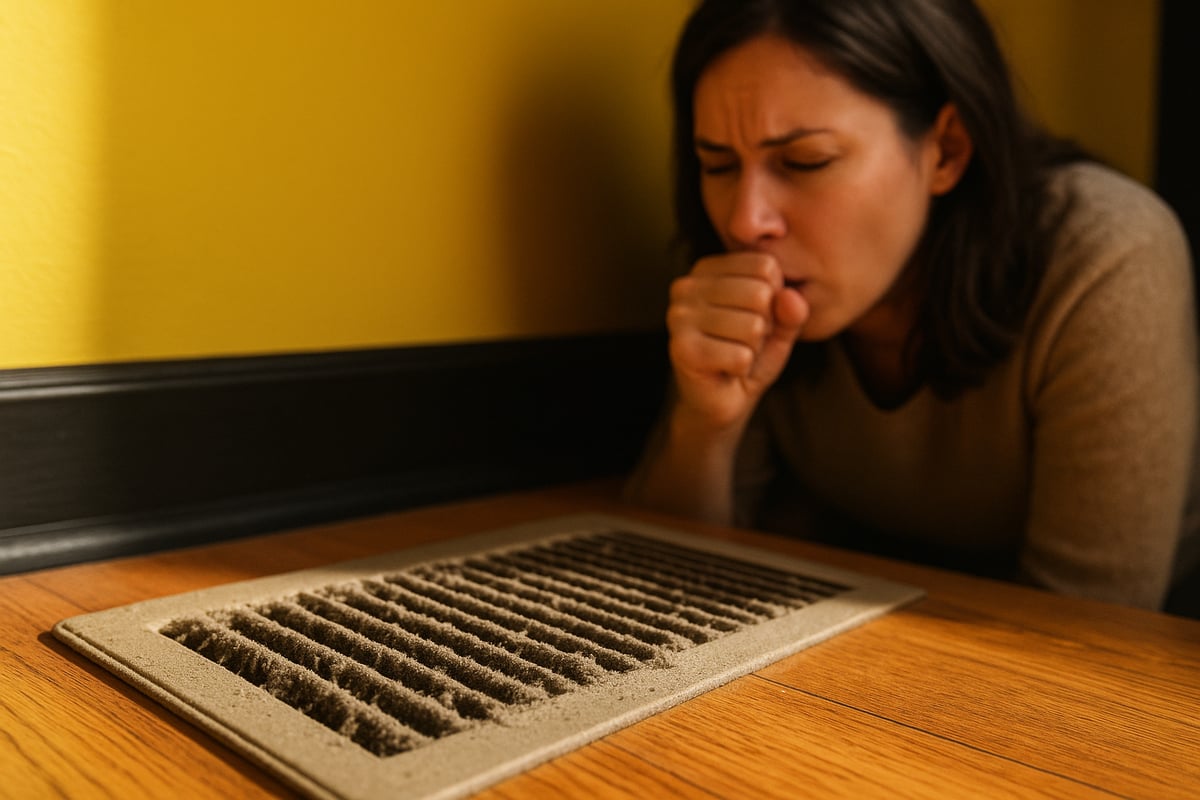
Regular duct cleaning near me services are vital for reducing allergens, dust, and pollutants in your home or business. Over time, air ducts collect debris that can circulate throughout indoor spaces, triggering respiratory issues or allergy symptoms.
The EPA notes that while studies on duct cleaning are mixed, many homeowners report noticeable improvements in air quality after professional cleaning. Clean ducts are especially important for vulnerable groups, including:
- Children
- Elderly individuals
- People with asthma or allergies
Competitor data from organizations like the BBB and HomeAdvisor highlight cleaner indoor environments as a top benefit of duct cleaning near me. For more on these advantages, explore the Benefits of Air Duct Cleaning. Cleaner air can lead to fewer allergy attacks, less dust on surfaces, and better overall comfort.
Energy Efficiency and Cost Savings
Choosing duct cleaning near me also brings measurable energy savings. When ducts are clogged with dust and debris, your HVAC system works harder, using more energy and driving up utility bills. Clean ducts allow air to flow freely, making heating and cooling systems more efficient.
Consider this simple comparison:
| Before Cleaning | After Cleaning |
|---|---|
| Higher energy use | Lower energy bills |
| Uneven airflow | Consistent temperature |
| Frequent HVAC repairs | Reduced maintenance |
Pairing duct cleaning with insulation and air sealing can maximize savings. These combined services help keep conditioned air inside, cut down on energy waste, and prolong the life of your HVAC system. Over time, the investment in duct cleaning near me pays for itself through lower costs and improved comfort.
When Should You Schedule Duct Cleaning?
How do you know it's time to look for duct cleaning near me? Common signs include:
- Visible dust or debris around vents
- Musty odors when the HVAC runs
- Recent home renovations
- Increased allergy or asthma symptoms
The EPA recommends scheduling duct cleaning every 3-5 years, but your needs may vary. Homes with pets, high traffic, or recent construction often require more frequent cleanings. If you notice any of these signs, it may be time to call a professional.
Staying proactive about duct maintenance ensures cleaner air, better health, and optimal energy efficiency for years to come.
How to Choose the Right Duct Cleaning Service Near You
Selecting the right duct cleaning near me provider is essential for maintaining indoor air quality and protecting your investment. With so many choices, understanding what separates a reputable company from the rest will help you make a confident decision.
Key Factors to Consider
When searching for duct cleaning near me, prioritize providers who demonstrate professionalism and transparency. Use this checklist to evaluate your options:
- Licensing and Certifications: Look for NADCA certification, BBB accreditation, and valid business licenses. These credentials show a commitment to industry standards.
- Insurance: Confirm that the company carries liability and worker’s compensation insurance to protect your property and their staff.
- Experience and Specialization: Choose providers with several years of experience, especially in your property type (residential, commercial, or industrial).
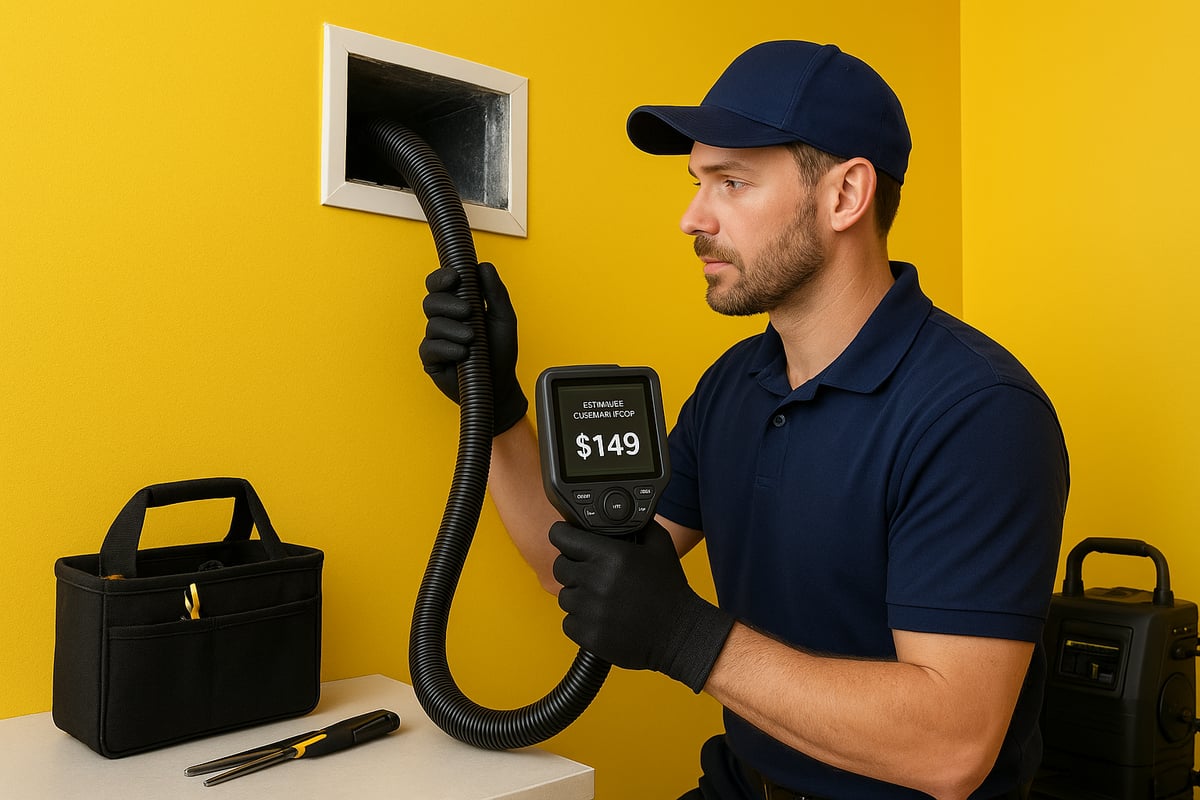
- Service Guarantees and Pricing: Request clear, written estimates and inquire about satisfaction guarantees or warranties.
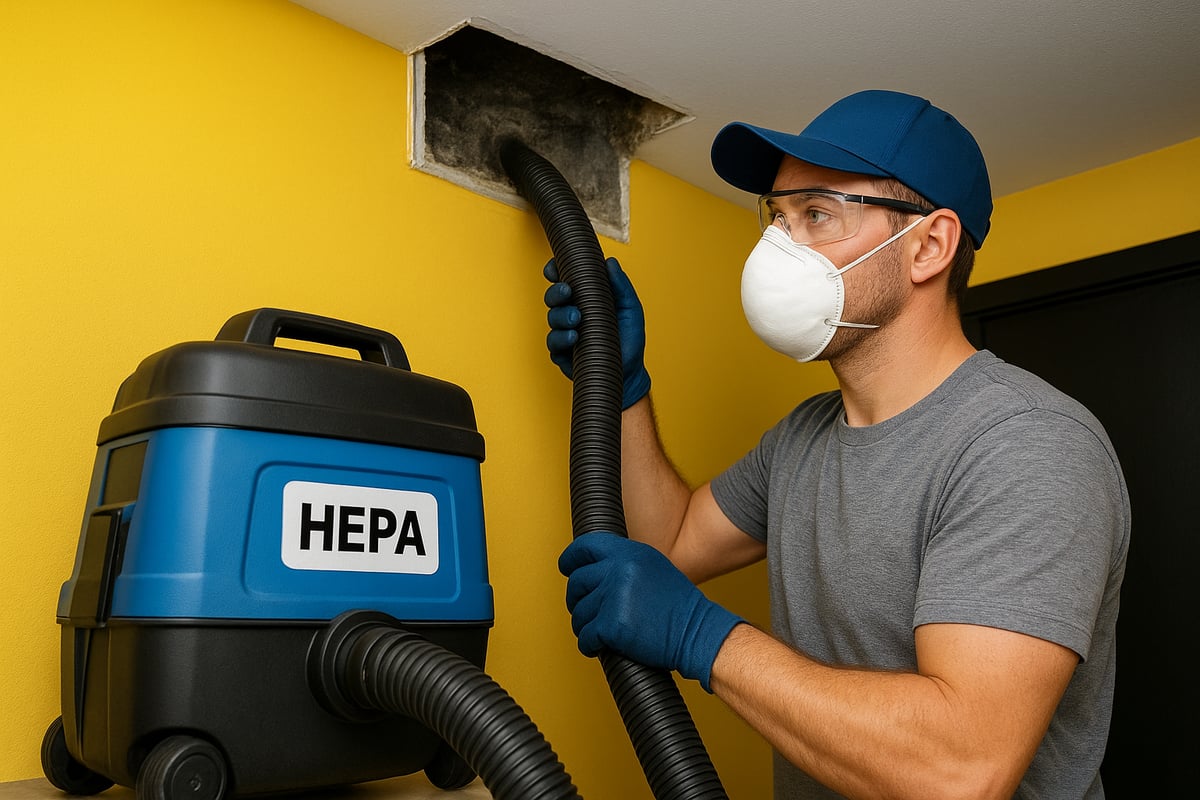
- Advanced Equipment: Modern companies use HEPA vacuums, negative air machines, and camera inspections for thorough cleaning.
- Customer Reviews and Reputation: Check BBB and HomeAdvisor ratings, plus local testimonials, to gauge reliability.
- Additional Services: Some offer dryer vent cleaning, insulation, or duct sealing for comprehensive solutions.
- Customer Service: Responsive, professional communication is a must.
To streamline your search, consult resources like the Duct Cleaning Near Me Guide for local insights and best practices. This will help you compare services, assess credentials, and understand what to expect from reputable providers.
Taking the time to investigate these factors ensures you hire a duct cleaning near me company that delivers quality, safety, and long-term value.
Red Flags and What to Avoid
Vigilance is crucial when evaluating duct cleaning near me providers. Watch for these warning signs to avoid scams and subpar results:
- Unusually Low Pricing: If a quote seems too good to be true, it often signals cut corners or hidden fees.
- Lack of Credentials: Avoid companies that cannot provide proof of certification, insurance, or business licensing.
- No Written Contracts: Insist on a detailed contract outlining the scope of work, costs, and guarantees.
- Pushy Sales Tactics: Reputable providers offer information, not pressure. Be wary of upselling or scare tactics.
- Negative Reviews or Complaints: Patterns of unresolved complaints on BBB or HomeAdvisor are major red flags.
- Vague or Incomplete Answers: Professionals should answer all questions clearly and confidently.
Competitor analysis reveals that most customer complaints stem from unclear agreements, poor communication, or incomplete work. Protect yourself by requesting documentation, verifying credentials, and reading independent reviews before hiring a duct cleaning near me service.
By knowing what to look for and what to avoid, you can confidently select a provider that prioritizes your health, comfort, and satisfaction.
7 Best Duct Cleaning Near Me Services for 2026
Choosing the right duct cleaning near me service can make a significant difference in your indoor air quality, comfort, and long-term maintenance costs. As 2026 approaches, homeowners and businesses are looking for providers who blend advanced cleaning methods, transparent pricing, and trusted reputations. Below, explore the top-rated companies, their standout features, and what makes each one the best choice for your specific needs.
313 Air Duct & Insulation by Jouny
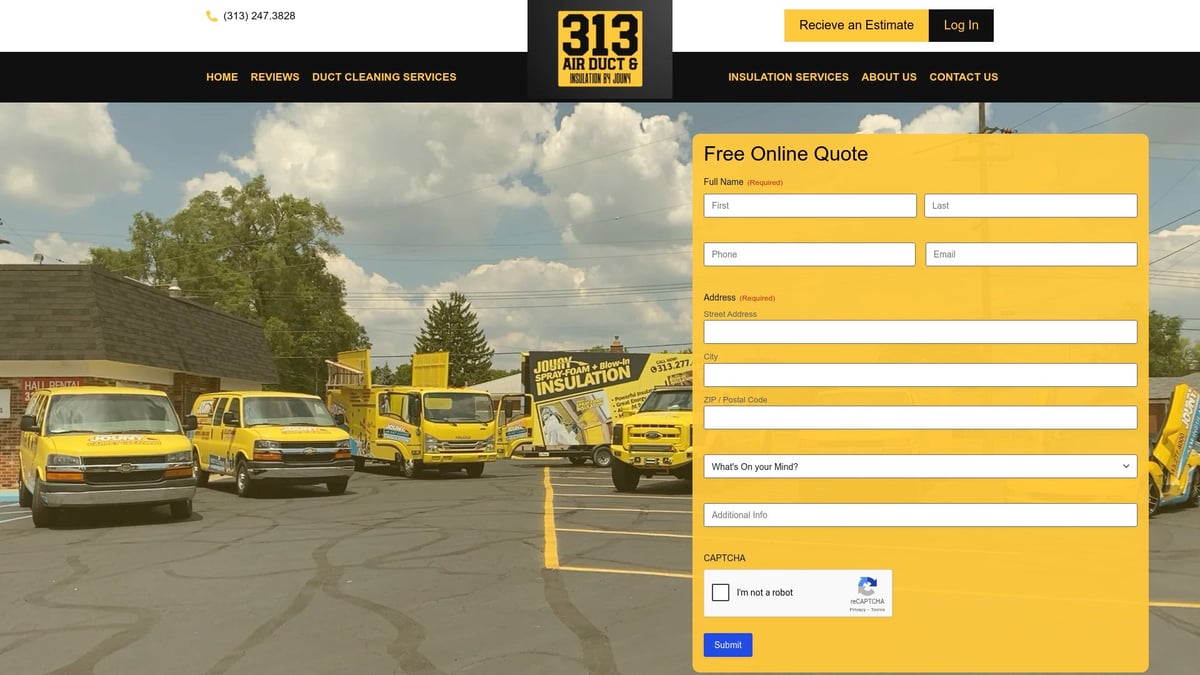
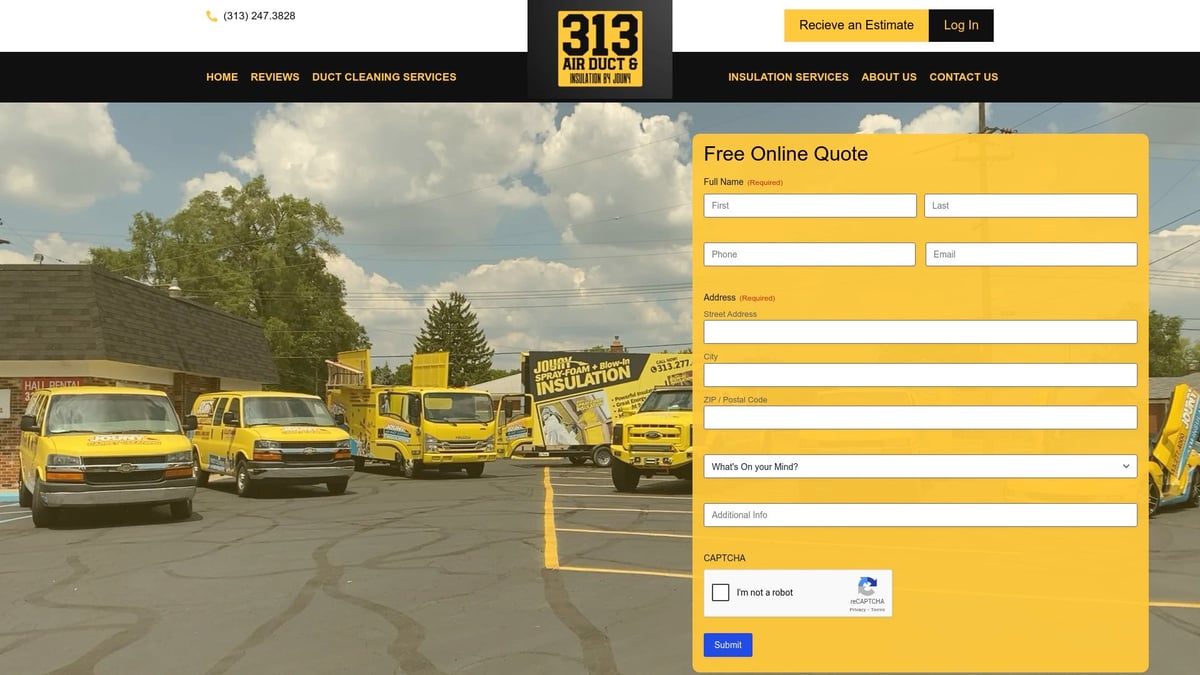
313 Air Duct & Insulation by Jouny leads the Metro Detroit region in comprehensive duct cleaning near me services. They offer free online estimates and often feature special deals, such as cleaning up to 1,500 sq ft for $5 (confirm availability for 2026). Pricing is customized based on property size and service scope, making it easy to budget for any project.
Core features:
- Residential, commercial, and industrial duct cleaning near me
- Dryer vent cleaning
- Advanced insulation (spray foam, blow-in attic, injection wall foam)
- Duct sealing with Aeroseal®
- Carpet and rug cleaning
Key benefits:
- Enhances indoor air quality and reduces allergens
- Boosts HVAC efficiency and comfort
- Increases fire safety
Unique selling points:
- Over 20 years of experience in Metro Detroit
- Cutting-edge technology and industry-specific solutions
- Trusted by healthcare, education, and industrial sectors
Target audience: Homeowners, property managers, businesses, contractors, institutions
Pros:
- Comprehensive service range
- Local expertise and integrity
- Focus on customer satisfaction
Cons:
- Limited to Metro Detroit area
Ideal use cases:
- Whole-home air quality improvement
- Energy-saving insulation upgrades
- Commercial or industrial facility maintenance
Stanley Steemer Carpet Cleaner
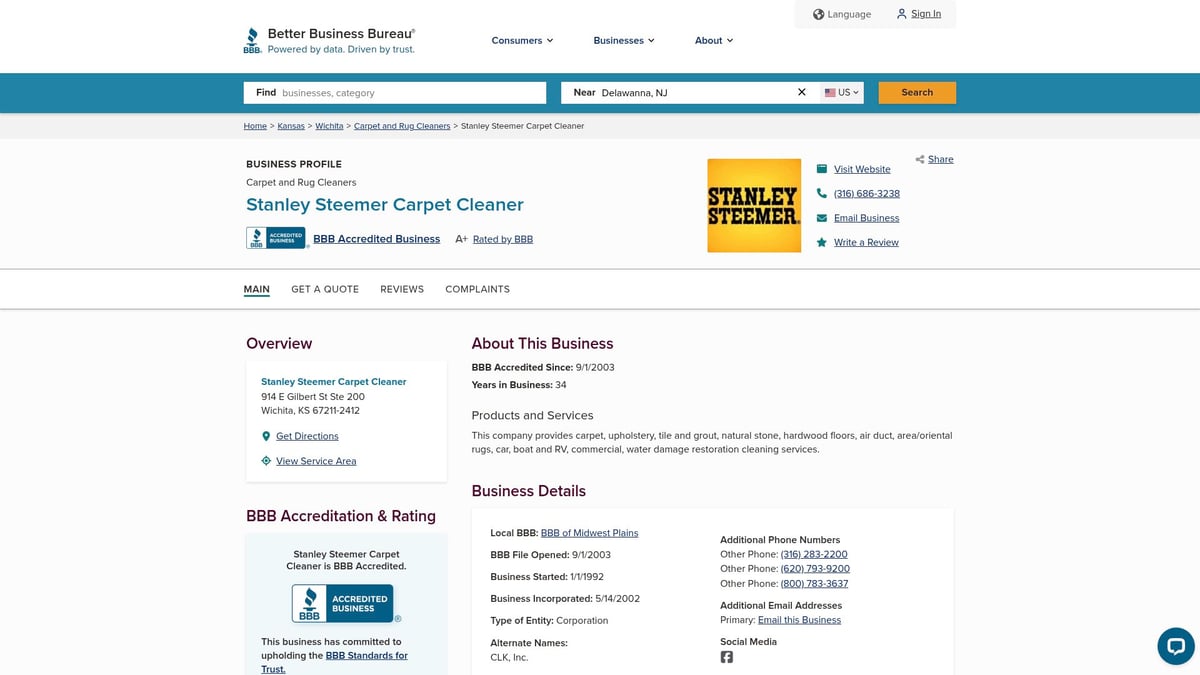
Stanley Steemer is a national brand synonymous with reliability in duct cleaning near me. Pricing is provided through custom quotes, with frequent bundled deals for carpet and duct cleaning. Their proprietary cleaning systems ensure thorough results.
Core features:
- Air duct cleaning near me
- Carpet and rug cleaning
- Dryer vent cleaning
Key benefits:
- A+ BBB rating
- Trusted nationwide reputation
- Satisfaction guarantee
Unique selling points:
- Technicians are trained and background-checked
- Consistent service quality across many locations
Target audience: Homeowners, commercial property managers
Pros:
- Reliable and established
- High customer satisfaction
- Comprehensive cleaning options
Cons:
- May be pricier than local competitors
- Franchise experience can vary by location
Ideal use cases:
- One-stop solution for deep cleaning needs
- Routine maintenance for homes and businesses
For an in-depth analysis of what affects pricing for duct cleaning near me and how to budget, see this Duct Cleaning Cost Breakdown.
ServiceMaster by Best
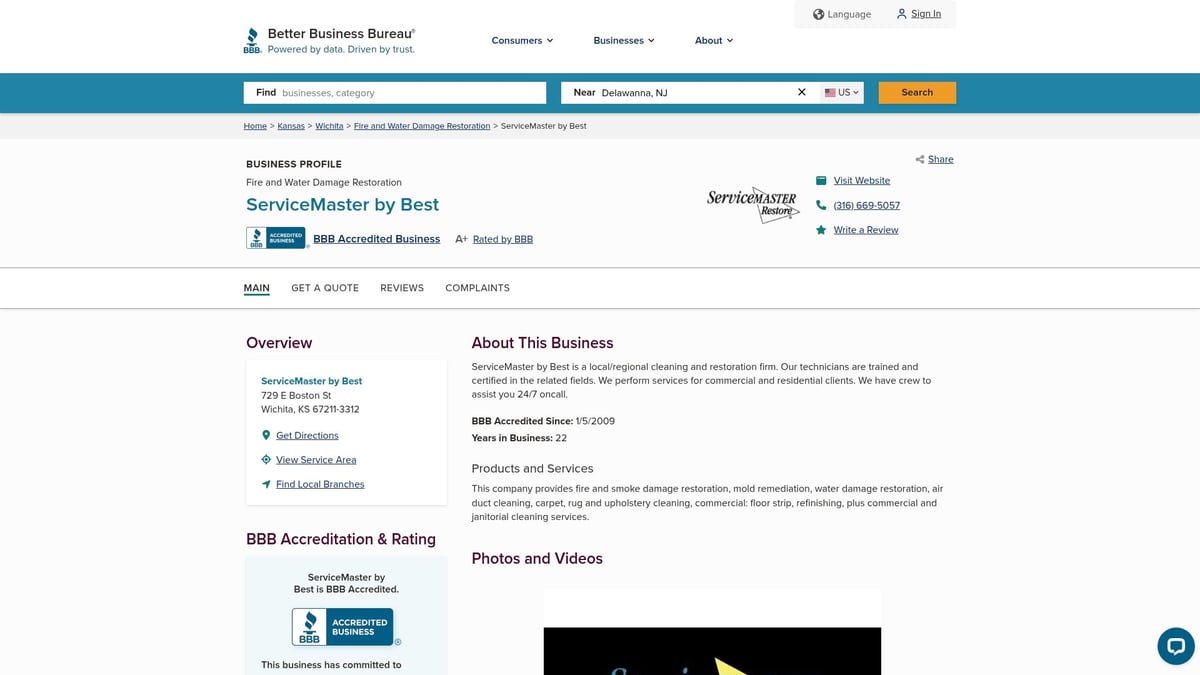
ServiceMaster by Best stands out for emergency response and restoration alongside duct cleaning near me. They provide free estimates, with pricing based on property size and project scope.
Core features:
- Air duct cleaning near me
- Fire and water damage restoration
- Carpet and rug cleaning
Key benefits:
- Emergency services available 24/7
- Works directly with insurance companies
- Fast response times
Unique selling points:
- A+ BBB rating
- Part of a national network
- Trusted for both routine and emergency needs
Target audience: Homeowners, businesses, clients needing post-disaster restoration
Pros:
- Comprehensive cleaning and restoration
- Insurance coordination
- Trusted brand
Cons:
- May prioritize restoration projects over routine cleaning
- Emergency services may cost more
Ideal use cases:
- Post-disaster duct cleaning
- Routine maintenance with emergency support
Phoenix Restoration
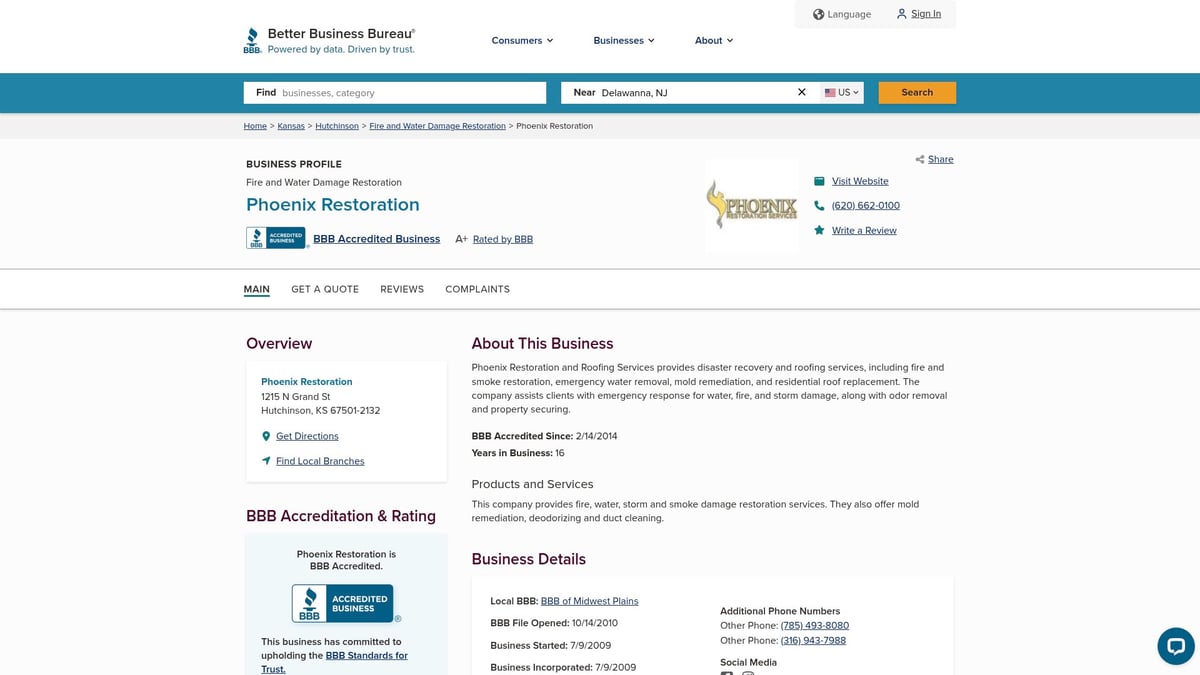
Phoenix Restoration offers a strong blend of preventive cleaning and restoration-focused duct cleaning near me services. They provide free quotes and tailor pricing for both homes and businesses.
Core features:
- Air duct cleaning near me
- Carpet and rug cleaning
- Fire and water damage restoration
Key benefits:
- A+ BBB rating
- Focus on both restoration and preventive care
- Responsive customer service
Unique selling points:
- Experienced with insurance claims
- Deep understanding of local property needs
Target audience: Homeowners, businesses, property managers
Pros:
- Full-service cleaning and restoration
- Local expertise
- Fast response
Cons:
- Regional focus limits reach
- No insulation services
Ideal use cases:
- Preventive duct cleaning
- Restoration after water or fire incidents
Stover’s Restoration, Inc.
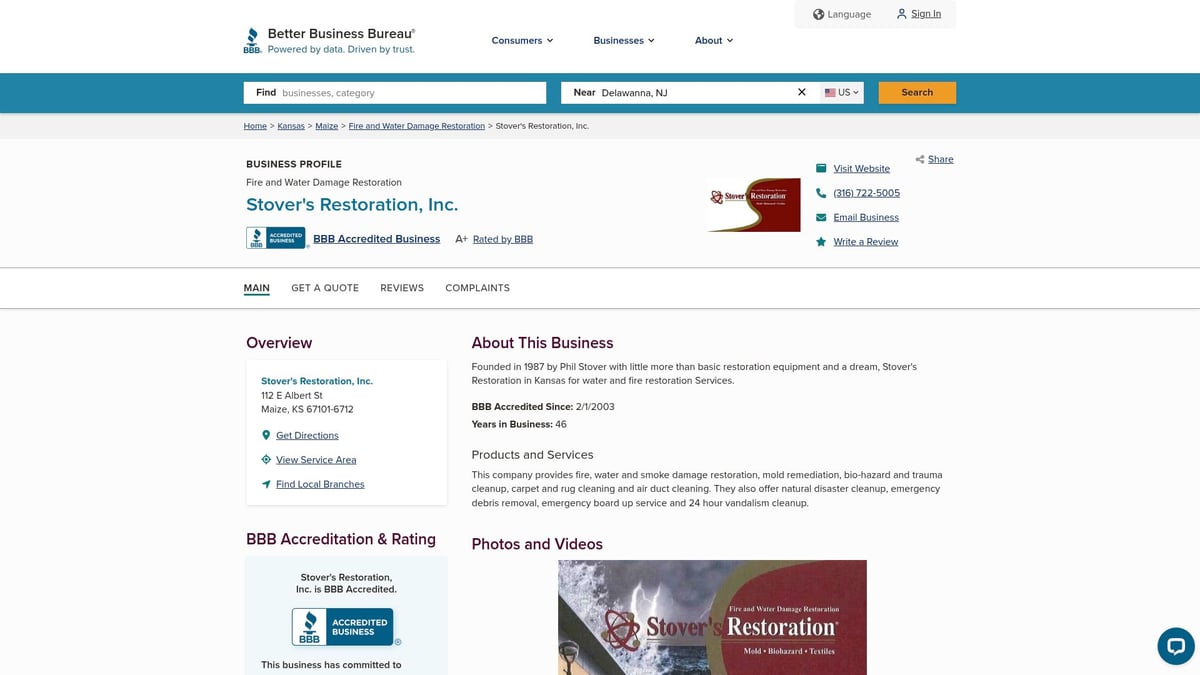
Stover's Restoration, Inc. is recognized for its wide range of cleaning, restoration, and contracting services, making it a flexible option for duct cleaning near me. They offer free estimates, with costs determined by property size and services required.
Core features:
- Air duct cleaning near me
- Fire and water damage restoration
- Carpet cleaning and general contracting
Key benefits:
- A+ BBB rating
- Multi-county service area
- Solid local reputation
Unique selling points:
- Offers construction and repair in addition to cleaning
- Experienced and long-standing team
Target audience: Homeowners, landlords, business owners
Pros:
- Wide service range
- Positive local reviews
- Expertise in restoration and construction
Cons:
- More restoration-focused than routine cleaning
Ideal use cases:
- Duct cleaning during or after property restoration
- Multi-service projects
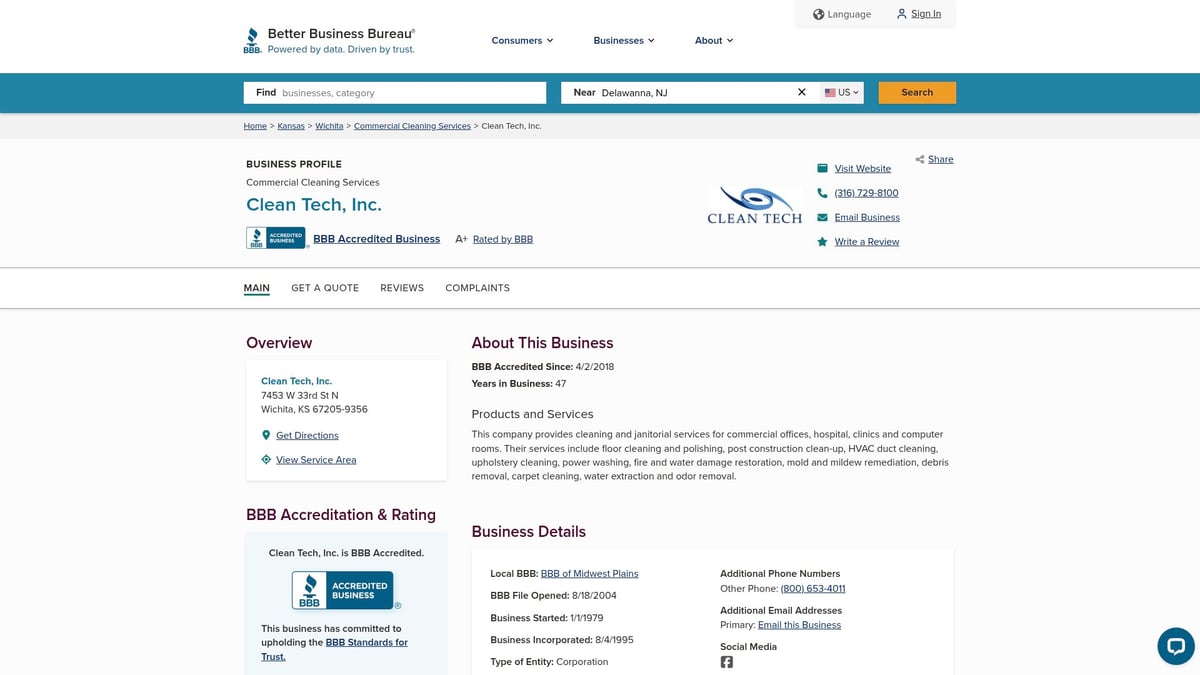
Clean Tech, Inc.
Clean Tech, Inc. is a top choice for large-scale or commercial duct cleaning near me projects. They provide free quotes and competitive rates for both residential and commercial clients.
Core features:
- Commercial and residential duct cleaning near me
- Pressure washing
- Carpet and rug cleaning
Key benefits:
- A+ BBB rating
- Nationwide coverage
- Advanced cleaning technology
Unique selling points:
- Specializes in large-scale projects
- Flexible scheduling for businesses
Target audience: Businesses, institutions, property managers, homeowners
Pros:
- National reach
- Scalable for large facilities
- Expertise in commercial projects
Cons:
- May prioritize commercial jobs
- Less personalized for small residential jobs
Ideal use cases:
- Large office buildings or institutions
- Multi-property owners
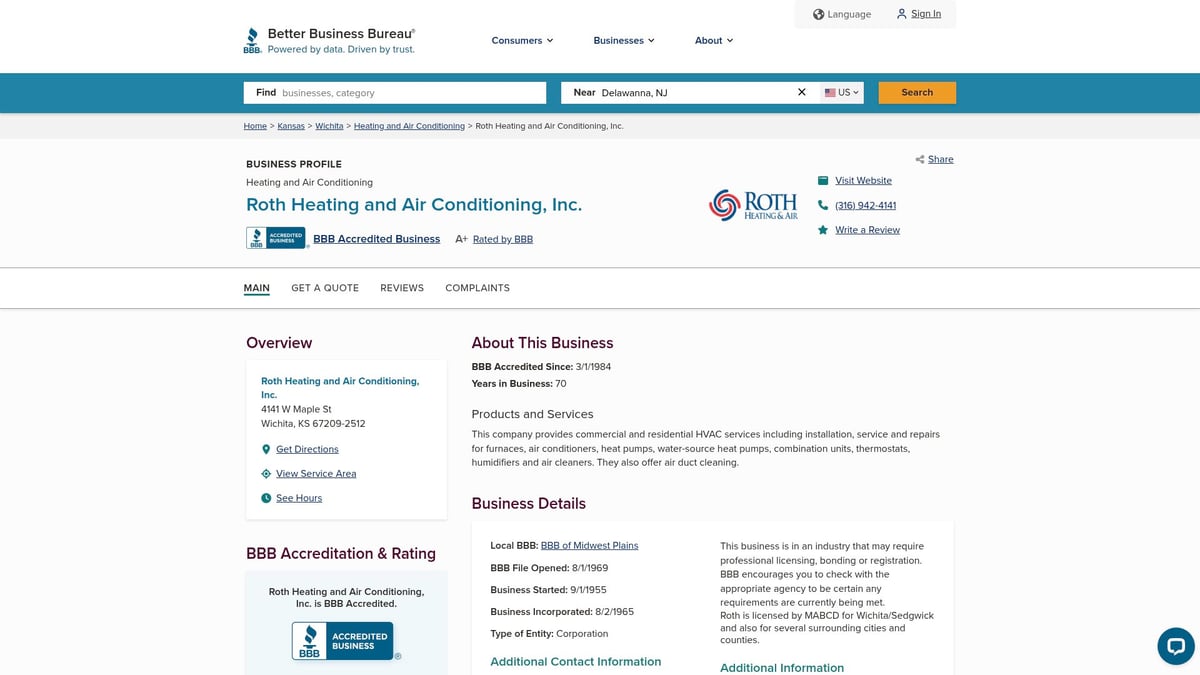
Roth Heating and Air Conditioning, Inc.
Roth Heating and Air Conditioning, Inc. is a trusted provider blending HVAC expertise with duct cleaning near me. They offer free quotes, with pricing based on system size and services selected.
Core features:
- Air duct cleaning near me
- HVAC installation and repair
- Air conditioning contractor services
Key benefits:
- A+ BBB rating
- One-stop shop for heating, cooling, and duct cleaning
- Knowledgeable technicians
Unique selling points:
- Full HVAC and air quality services
- Strong local reputation
Target audience: Homeowners, businesses seeking integrated solutions
Pros:
- Trusted for both HVAC and duct cleaning near me
- Skilled staff
- System upgrades available
Cons:
- May focus more on HVAC than cleaning
- Seasonal availability can vary
Ideal use cases:
- HVAC maintenance with duct cleaning
- System upgrades for improved efficiency
Top 7 Duct Cleaning Near Me Companies: Comparison Table
| Provider | Service Area | Core Services | Unique Feature | Ideal For |
|---|---|---|---|---|
| 313 Air Duct & Insulation | Metro Detroit | Duct, insulation, sealing | Aeroseal® sealing, industry focus | Homes, businesses |
| Stanley Steemer | Nationwide | Duct, carpet, vent cleaning | National brand, bundles | Homes, offices |
| ServiceMaster by Best | National/Regional | Duct, restoration, carpet | Emergency response, insurance | Disaster recovery |
| Phoenix Restoration | Regional | Duct, restoration, carpet | Preventive and restoration focus | Homes, property managers |
| Stover's Restoration, Inc. | Multi-county | Duct, restoration, contracting | Cleaning + construction | Landlords, restoration |
| Clean Tech, Inc. | Nationwide | Duct, commercial projects | Large-scale, advanced tech | Businesses, institutions |
| Roth Heating & Air | Regional | Duct, HVAC, AC | HVAC + duct cleaning combo | Homes, system upgrades |
Choosing a duct cleaning near me provider in 2026 means evaluating credentials, scope of services, and customer feedback. With these top-rated companies, you can confidently improve your indoor air quality, energy efficiency, and peace of mind.
What to Expect During a Professional Duct Cleaning
When you book a duct cleaning near me service, knowing what happens before, during, and after the appointment helps you make the most of your investment. A structured process, paired with industry standards, ensures your home or business sees true benefits from cleaner ducts.
The Typical Duct Cleaning Process
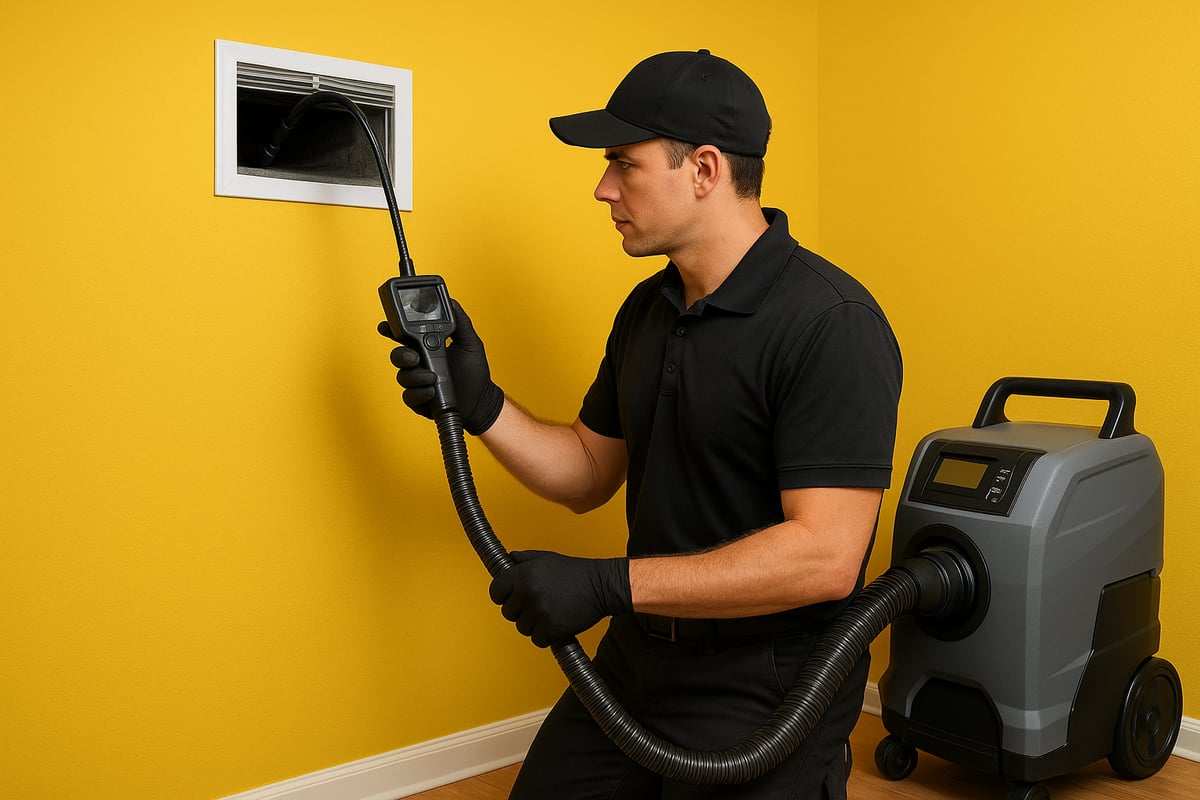
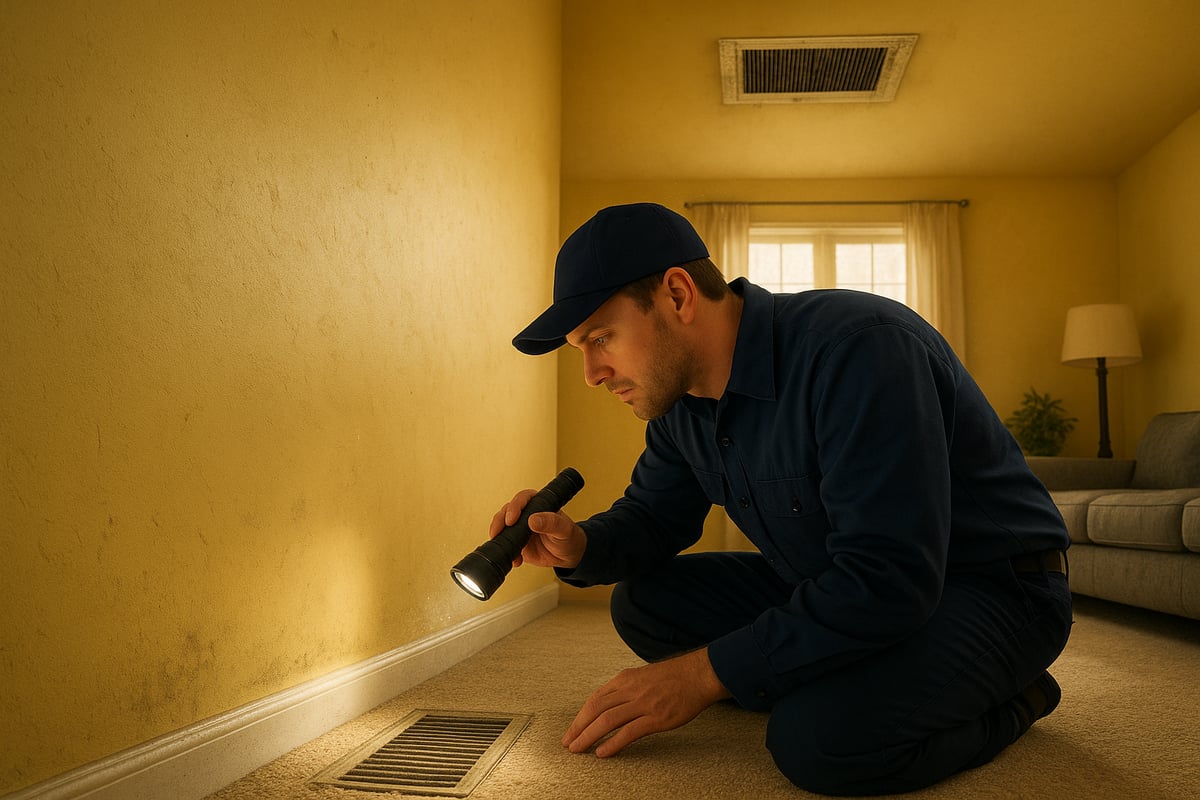
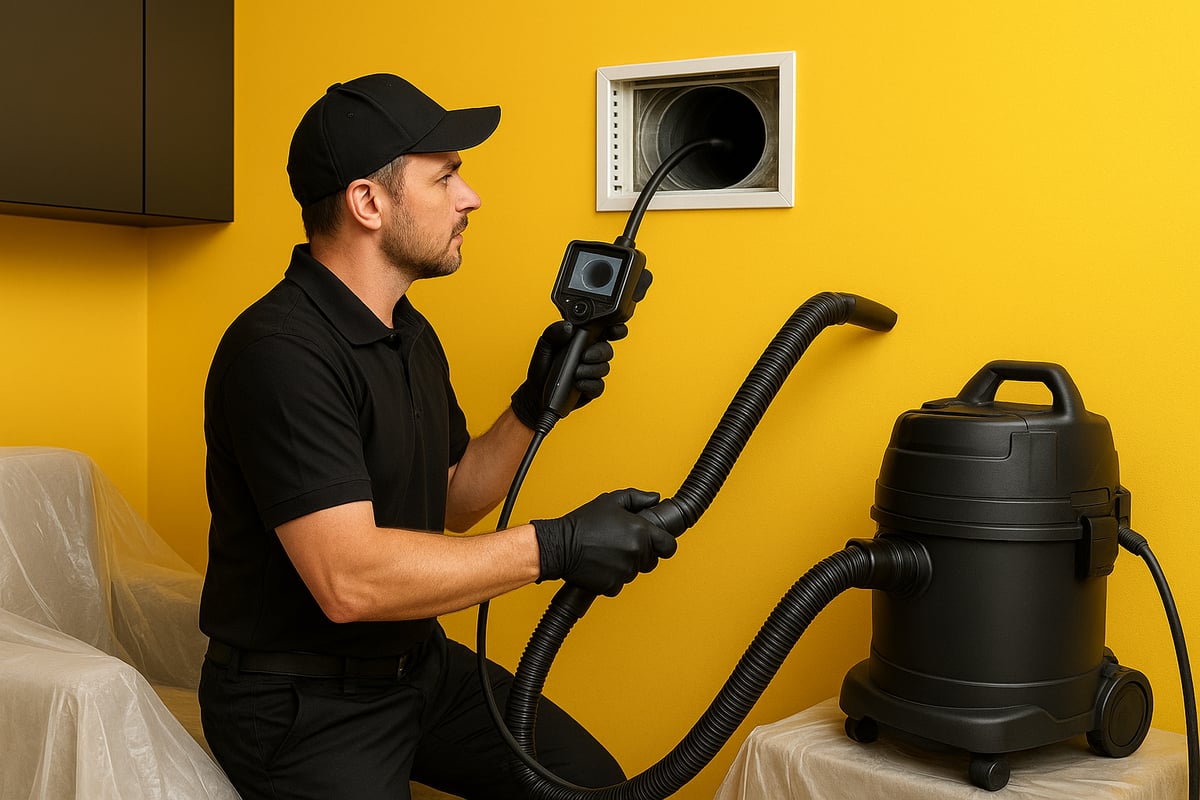
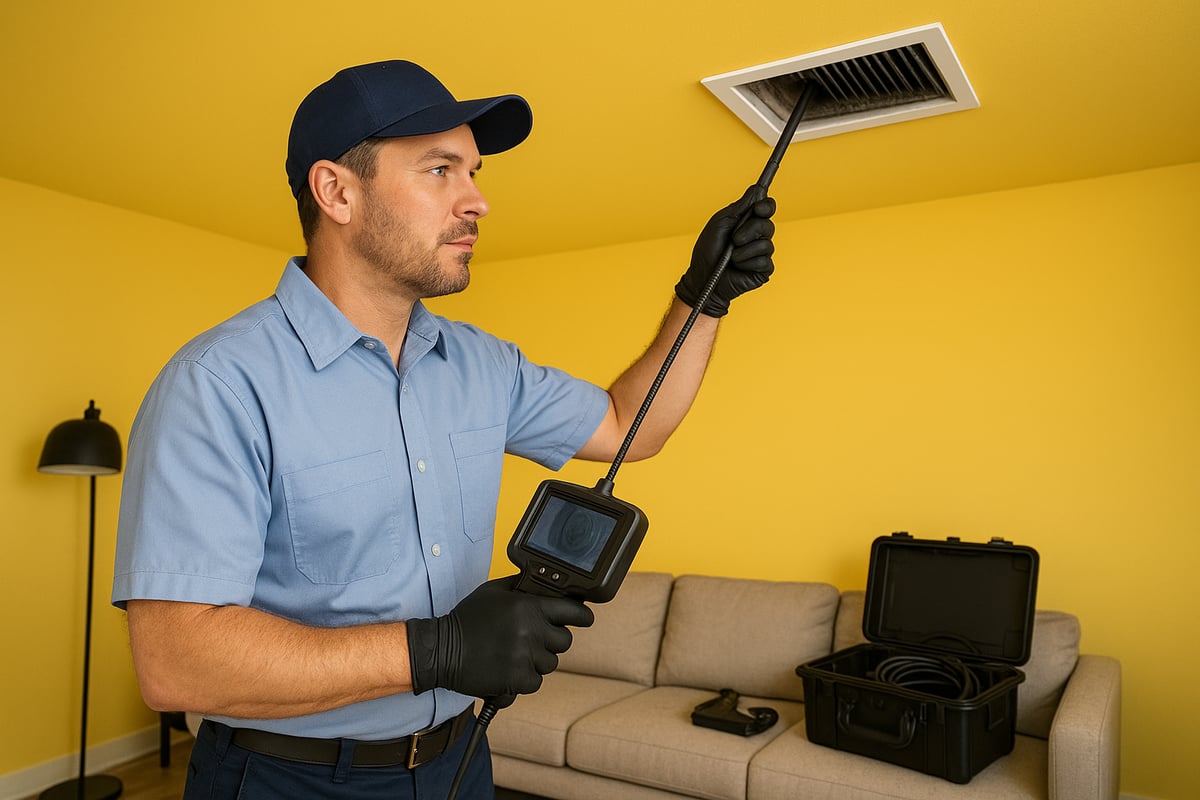
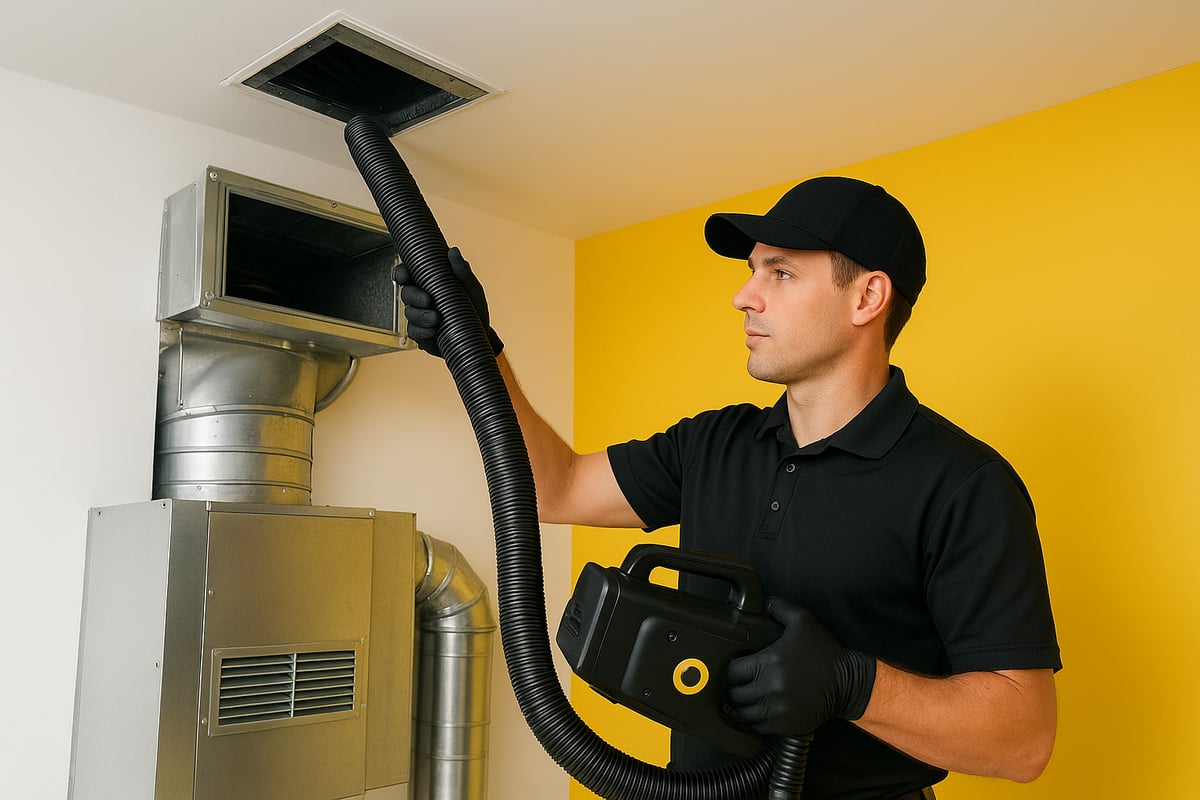
A professional duct cleaning near me service begins with a detailed assessment. Technicians use cameras or scopes to inspect your ductwork, identifying buildup or blockages. This step ensures only necessary cleaning is performed and helps set realistic expectations.
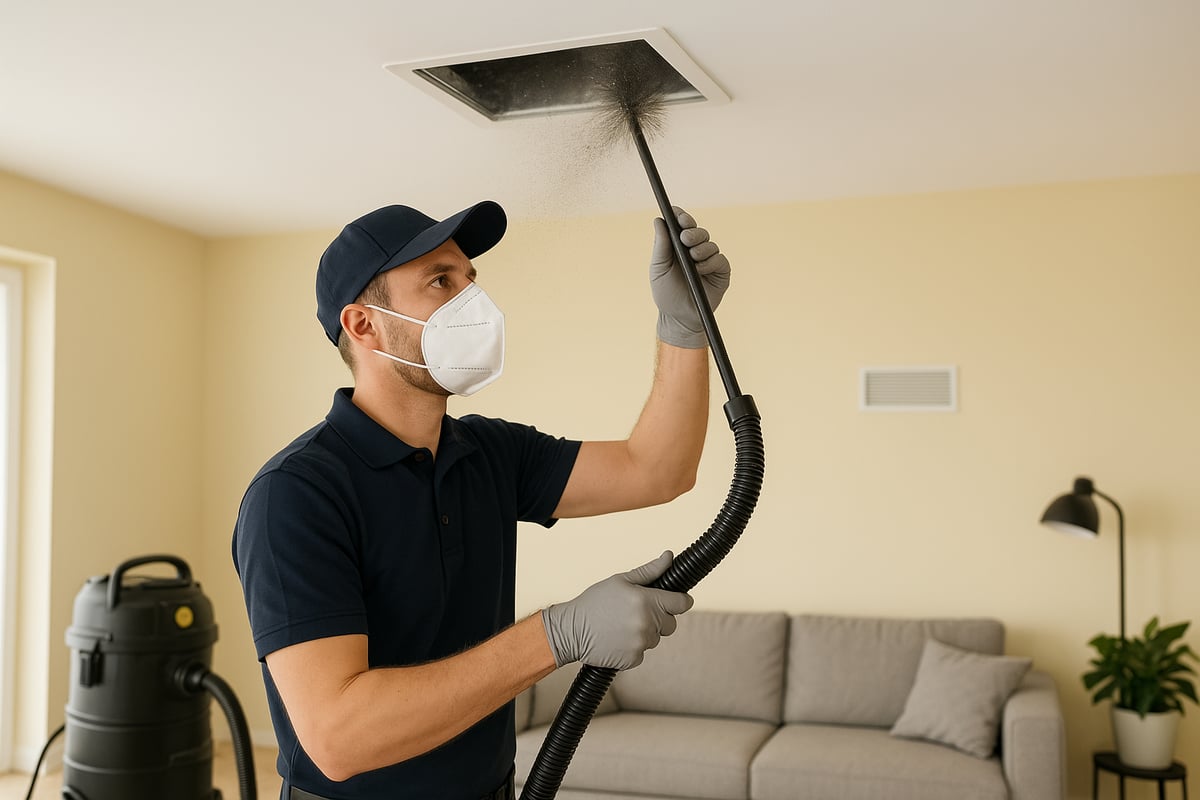
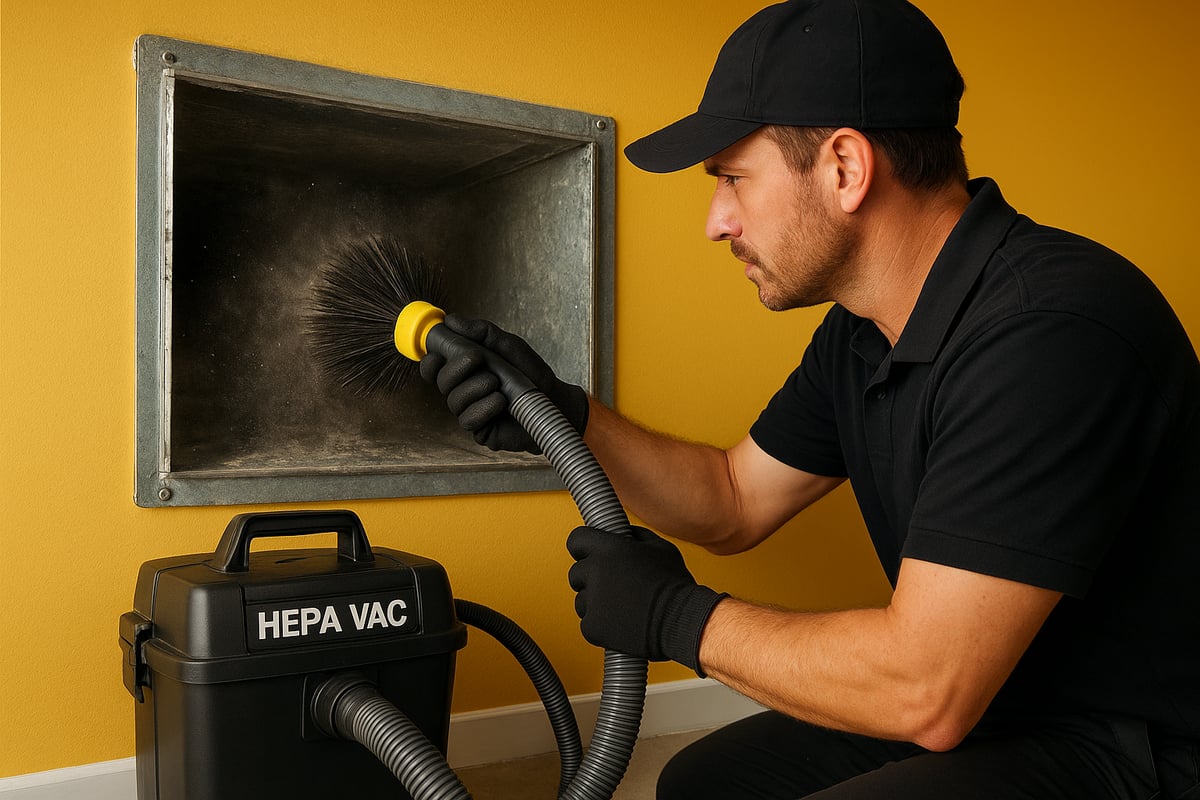
The main cleaning phase involves specialized tools. Negative air machines create powerful suction, while HEPA-filtered vacuums capture dust and debris. Agitation devices loosen stubborn contaminants from duct surfaces. Technicians clean all supply and return ducts, registers, and sometimes HVAC components if needed. Optional add-ons like dryer vent cleaning, sanitizing treatments, and insulation checks are often available.
Most standard homes require 2 to 4 hours for a thorough job. Larger commercial spaces may take longer. For a deeper look at best practices, see Proper HVAC cleaning methods for industry standards.
Preparation and Aftercare
Before your duct cleaning near me appointment, a little preparation goes a long way. Move furniture away from vents, secure pets in a safe area, and clear pathways for technicians. This helps ensure a smooth, efficient visit.
After cleaning, you should notice reduced dust, improved airflow, and visibly cleaner registers. It is wise to monitor air quality and check for any lingering odors. If you have recently renovated, own pets, or notice increased allergy symptoms, follow-up cleanings may be needed sooner.
According to EPA guidelines on air duct cleaning, homeowners should schedule professional cleanings every three to five years, or as needed based on environmental factors.
Quality Assurance and Guarantees
A reputable duct cleaning near me provider stands by their work. Expect before-and-after photos or video evidence to be offered, allowing you to see the results firsthand. Written service guarantees and satisfaction policies should be clearly provided.
If you have concerns or are unsatisfied, communicate promptly with your provider. Most companies will address issues quickly, ensuring your indoor air quality meets expectations. Always keep documentation and ask for clarity on guarantees before work begins.
Duct Cleaning FAQs for 2026
As awareness of indoor air quality grows, many people have questions about finding the best duct cleaning near me. Here are answers to the most common concerns for 2026, helping you make informed decisions for a cleaner, healthier environment.
How often should ducts be cleaned in 2026?
Most experts recommend scheduling duct cleaning near me every 3 to 5 years. However, homes with pets, recent renovations, or residents with allergies may need more frequent service. Regular inspection helps determine the ideal interval.
What are the latest technologies used in duct cleaning?
Advanced methods now feature HEPA filtration, negative air machines, and robotic inspection cameras. These tools improve the thoroughness and safety of duct cleaning near me, ensuring even hidden contaminants are removed.
Is duct cleaning necessary if I have a new HVAC system?
Yes, even new systems can accumulate construction debris or dust during installation. Professional duct cleaning near me is especially important if you notice reduced airflow or persistent odors after a new system is installed.
Can duct cleaning help with allergies and asthma?
Absolutely. Removing dust, pollen, and mold from ducts can reduce allergy and asthma symptoms, especially for sensitive individuals. Clean ducts contribute to a healthier indoor environment.
What certifications should a reputable duct cleaning company have?
Look for companies certified by the National Air Duct Cleaners Association (NADCA). Their ACR Standard 2025 Edition sets industry benchmarks for safe and effective cleaning.
How do I verify a company’s credentials and reviews?
Check for NADCA membership, BBB accreditation, and positive online reviews. Ask for proof of insurance and written estimates to ensure you hire a trustworthy provider.
Are there any risks or downsides to duct cleaning?
When performed by qualified professionals, risks are minimal. Poor workmanship, however, can damage ducts or HVAC systems, so always choose experienced providers for duct cleaning near me.
What should I budget for professional duct cleaning in 2026?
Prices vary by property size and region, but most homeowners spend between $400 and $800. Request detailed quotes and compare services to find the best value.
How does duct cleaning interact with insulation and energy efficiency upgrades?
Duct cleaning works best when paired with proper insulation and sealing. Clean ducts allow your HVAC system to operate more efficiently, reducing energy costs and extending equipment life.
As we look ahead to 2026, maintaining clean air ducts is more important than ever for healthier indoor spaces and improved energy efficiency. If you’re ready to breathe easier, reduce allergens, and enhance comfort in your home or business, now is a great time to explore your local options. I’ve highlighted the best duct cleaning services near you—and if you’re looking for trusted expertise with proven results, you can start your search with a free, no obligation estimate from a top-rated provider. Take the first step toward fresher air and better energy savings—Get Free Quote.